
Want a mini jungle on your windowsill? Gear up — your plants will judge you if you don’t.
Plants make your space feel alive. You walk in and everything looks fresher. Small gear upgrades make that effortless.
You don’t need a greenhouse or a green thumb. A few smart tools keep leaves perky, roots happy, and your coffee table free of mystery brown spots. Simple, practical, and kind of fun.
Top Picks



Complete pH Control Kit for Hydroponics
Includes pH Up, pH Down, indicator drops, and testing tools so you can accurately monitor and correct nutrient solution pH. A must-have for any hydroponic or serious indoor gardener focused on healthy nutrient uptake.
pH profoundly affects nutrient availability, and this kit gives you the tools to keep your reservoir in the ideal acidic range (typically 5.5–6.5 for many crops). It includes 8 oz bottles of pH Up and pH Down, a test indicator solution, a test tube, eyedropper, and a pH chart — everything needed to test and adjust on the spot. Using this kit regularly prevents nutrient lockout, slow growth, and deficiencies.
Kit contents and benefits
Practical guidance
You’ll want to test at the same temperature and light conditions for repeatable results. While drop tests are very usable and inexpensive, be mindful of color interpretation — using a photo of the color chart on your phone or consistent lighting can help. For growers who want digital precision, consider pairing this kit with a calibrated pH meter as your setup grows.
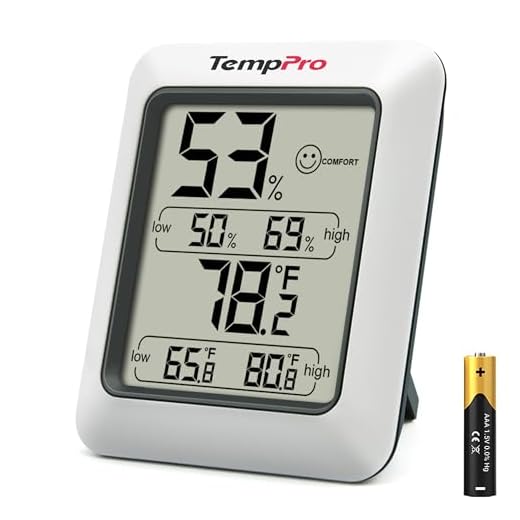
Digital Temperature and Humidity Gauge
Provides quick, accurate temperature and humidity readings with an easy-to-read display and comfort icons. A small, inexpensive tool that helps you monitor air conditions for healthy plant growth and disease prevention.
Keeping humidity and temperature in your desired range is a quiet superpower for indoor gardening: it reduces stress, disease risk, and increases consistency. This compact hygrometer/thermometer gives accurate readings, shows a comfort icon (dry/comfort/wet), and is small enough to place near your grow area, shelving, or seed trays.
Core benefits
Practical usage
Place one near the canopy and another at pot level if you want to track microclimates; upstairs vs. downstairs can differ a lot. Use readings to decide on humidifiers, dehumidifiers, ventilation changes, or when to run lights and fans. The unit is affordable and reliable — a worthwhile sensor to add to any indoor garden toolkit.
7‑Day Digital Programmable Dual Outlet Timer
A reliable digital timer that lets you create detailed weekly on/off schedules for lighting, fans, or pumps. Dual outlets run together and programming is straightforward once you get used to the interface.
Automating your grow schedule is one of the simplest upgrades you can make, and this 7-day digital timer gives you detailed control over lighting and equipment. It supports multiple programs, runs quietly, and accepts short intervals down to one minute — useful if you run intermittent aeration or want precise light transitions.
Why it’s handy
Practical tips
Read the included manual and test your programming before relying on it for long-term runs (e.g., seedling cycles). If you need independent control for two devices, look for a model with separately switched outlets, but for many setups controlling lights and fans or pumps together is ideal and simple.
Complete 2x2 ft Grow Tent Kit
A full, well-rounded tent kit with LED, fan, carbon filter and accessories that gets you growing quickly in a small footprint. Quality materials and thoughtful extras make it a great turnkey option.
This compact 24" x 24" x 48" grow tent kit is designed as a one-stop solution for hobby growers who want a controlled environment. You get a VS1000 LED, a 4" 190 CFM inline fan, carbon filter, ducting, and several accessories — everything to control light, airflow, and odor while maximizing reflectivity inside the tent. If you’re setting up a discreet grow or experimenting with a few plants indoors, this kit saves both time and guesswork.
Highlights
Practical insights
You’ll appreciate the sturdy build — zippers and poles are reinforced, which helps if you plan to open and check on plants frequently. The tent’s height is ideal for short-stature or training methods (low-stress training, small scrogs), but if you want tall, single-stem plants you’ll need a taller model. Also, follow the kit instructions for fan and filter placement to maintain efficient airflow and temperature control.
Smart Hydroponic Indoor Herb Garden Kit
A compact hydroponic system with quiet pump, built-in LEDs, and automated timers that simplifies growing herbs and small veggies year-round. Great for kitchens, offices, or beginner growers who want low-maintenance results.
This hydroponic planter is aimed at people who want fresh herbs and greens with minimal fuss. The system combines a quiet water pump, a 24-watt LED panel, and automatic timing so you don’t need to babysit your plants. Pods and grow baskets simplify planting, and the adjustable light head helps you fit the unit under cabinets or on a counter.
What you get
Real-world use
You’ll find it easy to maintain: top up the reservoir, plant the provided pods or seeds, and rely on the automated cycle. Reviewers praise its beginner-friendly operation and fast growth. Expect excellent results for herbs, lettuce, and small greens; if you need larger yields or more variety, you can combine multiple units or move to a larger system.
4" Inline Booster Duct Fan 130 CFM
Delivers solid CFM in a compact package and uses an upgraded EC motor for efficiency and quieter operation. Works well for odor control and temperature management in small grow spaces.
Proper ventilation is one of the most important parts of indoor growing, and this 4" inline booster fan brings reliable airflow to tents, basements, or cabinets. With up to 130 CFM it’s strong enough to exchange air efficiently in small to medium tents and pairs well with a carbon filter for odor control. The upgraded EC motor offers improved efficiency and reduced noise compared with older AC designs.
Key specs and benefits
Usage tips
Mount it with vibration-damping brackets or clips and use short, direct duct runs for best performance. If you have a larger tent or want tighter temperature control, consider a larger fan or use this fan in combination with passive intake ports. Regularly check the fan and mounting hardware to prevent noise over time.
Smart Wi‑Fi Dimmable Clip Grow Lights
Wi‑Fi control plus app and voice compatibility make scheduling and dimming a breeze, and two tubes give broader coverage than a single clip lamp. Ideal for desks, shelves, and small racks where convenience and automation matter.
This 2-tube smart grow light pairs practical hardware with modern convenience: you control brightness and schedules from an app or voice assistant. That’s hugely convenient if you travel, forget to turn lights on, or want a precise day/night rhythm for seedlings and herbs. The dual tubes increase the effective footprint so you can run a small cluster of pots instead of a single plant.
What it offers
Practical notes
You’ll find the setup straightforward and the app useful — reviewers praise how the plants perk up under scheduled light. Just avoid mounting too close to curtains or plastic that could be affected by heat, and plan for the slightly short plug lead if your outlet is far from the plant area.
4‑in‑1 Digital Soil Tester Meter
Combines moisture, pH, temperature, and light readings into a single handheld unit so you can rapidly assess growing conditions. Versatile and portable — great for both potted plants and garden beds.
This 4-in-1 meter is a Swiss Army knife for gardeners: it reports soil moisture, pH, temperature, and sunlight intensity. That breadth makes it a convenient diagnostic tool when something looks off — you can quickly tell whether the problem is under-watering, wrong acidity, or lack of light. The backlit LCD helps when you’re working in dim sheds or early mornings.
Features at a glance
How to get the best results
Follow the instructions: pH probes are calibrated for soil, not pure liquids, and readings can be skewed by overly wet conditions. For reliable pH checks, test several spots and average the results. This meter gives strong ballpark data and helps you prioritize corrective steps.
Analog Soil Moisture Meter Hygrometer
A no-nonsense analog moisture probe that requires no batteries and gives a quick read of soil moisture at root depth. It’s ideal if you want a low-cost, reliable indicator without fuss.
If you prefer a straightforward tool, this analog soil moisture meter is a classic. It tells you whether the soil is dry, moist, or wet by probing to the root zone — more informative than surface checks and perfect for potted plants and garden beds. The large dial is easy to read and there's nothing to charge or calibrate.
Why it’s useful
Limitations and tips
It won’t give the precision of electronic meters or pH/EC tools, but it’s great for preventing over- or under-watering. Rinse and dry the probe after long use to reduce corrosion, and avoid leaving it buried in soil for extended periods to preserve accuracy.
Clip-On Full Spectrum LED Grow Light
A compact clip-on lamp that delivers a daylight-like 6000K full spectrum and surprisingly high CRI for the price. It’s excellent for single pots, propagation trays, or supplementing light in darker spots.
This clip-on LED is a straightforward way to add usable daylight to your indoor plants without breaking the bank. It uses a mostly white LED array with a few red diodes to approximate mid-day sunlight at 6000K, which is great for leafy growth and seedlings. Because it’s small and affordable, it’s especially useful if you’re starting a few herbs, propagating cuttings, or want a supplemental light for a low-light window.
Key features
Why you might choose this
You’ll appreciate how easy it is to set up and how soft the light looks — it won’t be harsh in your living space. It’s best for small pots and single plants rather than whole shelving systems. Expect solid seedling and vegetative results, but plan to upgrade if you expand to many plants or larger containers.
Final Thoughts
Smart Hydroponic Indoor Herb Garden Kit — Best for effortless, everyday growing. If you want fresh herbs on your kitchen counter with almost zero fuss, this is your move: quiet pump, built-in LEDs, and automated timers mean you plug in, pop in pods, and forget the micromanaging. Ideal for beginners, offices, and anyone who wants reliable herbs without a huge footprint.
Complete pH Control Kit for Hydroponics — Best for serious growers who want consistent results. This kit gives you precise testing and correction (pH Up, pH Down, indicator drops, and tools) so your nutrient solution stays in the sweet spot for uptake. Use it if you run reservoirs or automated systems — test regularly and adjust to keep plants healthy and productive.


I have the Hydroponics Growing System Indoor Garden (the small herb kit) and honestly it’s great for basil and mint. The pump is quiet (almost silent) but mine started skipping cycles after 6 months.
Is there a recommended maintenance routine? I cleaned the pump but not sure if I should replace filters or the pump itself.
Also heads up: the LED is weaker than larger grow lights but perfect for a kitchen counter setup. 😊
Glad the kit worked for you overall. For maintenance: clean the pump monthly, check tubing for clogs, and replace any foam/wicking parts per manufacturer guidance. If skipping persists, the pump may be nearing end-of-life — replacements are inexpensive.
I had the same issue — cleaning helped for a while, but after a year I swapped the pump. Now it runs flawlessly. Keep a spare on hand if you rely on it for fresh herbs.
Also try running the pump in distilled water for a cycle to dissolve mineral buildup. That helped me when tap water left deposits.
Haha plants: tolerant roommates until your pump dies and basil goes on strike. 🌿 But seriously, good tip about distilled cycles.
Okay confession: I bought both a YAMRON 4-in-1 meter and an XLUX analog moisture probe because I couldn’t decide.
Turns out I was right to be indecisive — the digital one is awesome for checking multiple parameters, but the analog probe is foolproof and never needs batteries.
If you’re learning, get the YAMRON for pH and light readings. If you want something simple and reliable, the XLUX is perfect.
Also, the YAMRON’s pH readings seemed a bit off until I calibrated it — calibrate it!!
Who else has both?
Good comparison. Many readers find the combo useful: digital for diagnostics, analog for everyday watering decisions.
Lol same — battery-free tools for those ‘I forgot to charge everything’ days. 😅
Thanks for the tips all — saved my probe from an early grave!
Pro tip: keep the analog probe clean and don’t shove it into dense soil too forcefully. It can bend if you try to stab roots.
I have both too. Digital for bench tests, analog for quick pot checks. The YAMRON needed calibration for me as well — used a pH buffer kit and it’s fine now.
Nice roundup — solid mix of budget and premium picks.
I love that you included both high-tech options (Lurious WiFi, YAMRON) and analog basics (XLUX).
For beginners reading this: you don’t need everything at once. Start with a light, a basic moisture meter, and a hygrometer. Add the rest as you go.
Also, please never buy mystery pH strips off random marketplaces. Get a kit like the General Hydroponics one or a reliable digital meter.
Excellent advice, Grace. Building up gear gradually reduces overwhelm and wasted spend. And yes — calibrated tools beat random strips for accuracy.
Agreed — start small and upgrade. Your plants (and wallet) will thank you.
Long post incoming — sorry, I’m excited 😅
I just switched from incandescent to more efficient LEDs and paired the ThermoPro TP50 with a small VIVOSUN 4″ booster fan in my mini grow tent. Big differences:
1) Temp/humidity tracking: the ThermoPro helped me see overnight humidity spikes — I adjusted ventilation accordingly.
2) The booster fan (130 CFM) moves more air than I expected and reduced leaf mold risks.
3) I also still use an analog XLUX for quick soil checks.
If you’re running a tiny tent, this combo is surprisingly affordable and effective.
Thanks for the detailed breakdown, Anna — that’s exactly the practical feedback readers love. Those three tools together cover climate, airflow, and soil moisture nicely.
Appreciate the specifics! Did you hard-wire the booster to a controller or use a simple speed controller?
Fan speed dials are my jam. Feels like piloting a tiny airplane for plant comfort. 🛩️
I used an inline fan speed controller — simple dial. Works great for dialing in nighttime lower RPMs.
Anyone used the VIVOSUN 2×2 tent kit? Thinking of setting up a small veg patch in my utility closet.
Main concerns: noise and smell. The kit includes a carbon filter but does it actually keep smells out?
If you have experience, how loud is the 190 CFM inline fan at night?
Good points — sealing the tent and ensuring exhaust goes through the carbon filter are key. If noise is a priority, consider adding a silencer or using the VIVOSUN booster fan with speed control.
I used that exact kit last winter. The carbon filter works well if you seal the tent properly and have decent airflow through the filter. Noise is noticeable at full speed but tolerable; you can use a fan controller or run it on lower RPMs at night.
Really appreciate the deep dive on the General Hydroponics pH Control Kit.
I’ve been fighting nutrient lockout for months and finally bought a kit like this — night and day difference.
Question for anyone: how often are you checking pH in a 5-gallon hydroponic tote? Daily, every other day?
Also the ThermoPro looks super handy to keep next to the setup for humidity spikes.
Thanks for the roundup — saved me from buying a mystery tester off some sketchy site.
Glad it helped, Laura! For active hydroponic systems many growers check pH daily or at least every other day. If you see it drifting a lot, daily until it stabilizes is best.
I check mine daily for the first couple weeks after any nutrient change, then every 2-3 days. pH can be picky when temps or light schedules change.
Same here. Also—keep a small notebook or digital log. Seeing trends helps more than single readings.
Humidity control is my constant battle — the ThermoPro helped me identify that my bedroom is a humidity trap in winter.
I paired it with the BN-LINK timer to run a small humidifier in short bursts and it made seedlings happier.
Q: For seedlings, do people run lights 16 or 18 hours here? I’ve seen both and I’m fuzzy on best practice.
Also the GooingTop clip lamp was a lifesaver for a dark windowsill.
PS: anyone tried the Lurious voice commands? I keep giggling every time Alexa dims my basil. 😂
Seedlings typically do well with 16-18 hours; 18 hours can speed growth but make sure they get a dark period to rest. Your humidifier/timer combo sounds smart for controlled humidity.
18/6 here for greens, but my succulents get 14/10 and seem happier. Different plants = different schedules.
Also watch temps when you crank humidity — mold loves warm, wet conditions. ThermoPro’s comfort icons helped me catch that.
Thanks everyone — I’ll probably start at 18/6 and move to 16/8. Also will keep an eye on temp spikes.
I run most seedlings 18/6 at first, then cut back to 16/8 once they’re established. YMMV depending on species.
The Lurious WiFi LED lights sound cool (Alexa/Google/Siri), but I’m nervous about the whole ‘smart’ ecosystem for plants.
Anyone had connectivity issues or the app turning lights off at weird times? Also comparing these to the GooingTop clip lamp — is the Lurious noticeably better for coverage?
Smart lights are convenient but do rely on your Wi‑Fi. If your network is flaky, consider a basic timer backup. In terms of coverage, the Lurious two-tube setup will cover more area than a single GooingTop clip lamp, especially on shelves.
If you want redundancy, set the lights with both app schedules and a physical timer. That way a network hiccup won’t ruin a photoperiod-sensitive plant.
I use the Lurious on my shelf garden and only had one app glitch after a router update. The voice control is surprisingly fun. For single pots, the GooingTop is fine and cheaper.
Anyone using BN-LINK timers with a hydroponic pump? I’m trying to schedule nutrient cycles and worried about blackout during a power outage. The BN-LINK seems programmable but no battery backup.
Is there a recommended fail-safe that won’t break the bank?
If budget is tight, at least have a manual plan: someone to go water or run the pump if an outage happens longer than an hour. Not ideal but better than dead roots.
I use a basic UPS for my pump. It bought me enough time to manually intervene during a longer outage. Worth the peace of mind.
Good concern. A small UPS (uninterruptible power supply) for the pump and timer is a practical solution and not too expensive. It can keep things running through short outages.
I’ve been using the BN-LINK 7 Day Digital Timer for my grow lights for a couple months. It’s pretty solid but the dual outlets run together (as the review said) which can be limiting.
Would be great if they allowed independent programming for each outlet.
Does anyone have recommendations for a similarly priced timer that handles outlets independently?
I use two cheap mechanical timers to keep things separated. Not as pretty, but works and cheaper than upgrading to a new smart timer.
You’re right — BN-LINK’s dual outlets are linked on that model. If you want independent control, look for models advertised as ‘independent dual outlet’ or consider two separate timers; sometimes the small extra cost is worth the flexibility.
Bought the VIVOSUN tent kit for a weekend project and actually got it set up with minimal cursing. The VS1000 LED is surprisingly bright for that footprint.
Two things I want to mention: make sure you mount the carbon filter properly (hook orientation matters) and plan your cable routing before lights/fan are in place.
Would recommend for a first enclosed setup.
Great practical tips — cable routing is easily overlooked. Good to hear the LED performed well in your build.
Agreed on the filter orientation. I had to re-hang mine after the first airflow test. Rookie mistake.