
Want Lush Greens Year‑Round? These 8 Grow Lights Will Make Your Indoor Jungle Jealous.
YOUR PLANTS ARE STARVING FOR LIGHT — and you’re about to be their hero. Short winter days, a shady apartment window or a crowded tent can turn your dream of lush greens into a sad, leggy mess. But the right grow light fixes that fast.
You don’t need to be a pro to pick one. This roundup gives clear picks from pro‑grade spectrum control to wallet‑friendly options. Quick facts, who each light suits, and what to watch for. No nonsense. Just brighter plants.
Top Picks




California Light Works CLW550 Solarsystem
You’ll benefit from a programmable spectrum and robust build that’s designed for multi‑phase control and larger coverage areas. It’s a higher‑cost choice, but the flexible controller, water resistance and Osram LEDs justify it for serious indoor gardeners.
Overview
This is a pro‑oriented LED with programmable spectrum and strong build quality. It’s geared toward growers who want to tune light recipes for vegetative and flowering phases and who value long‑term reliability and active thermal management.
Core advantages
Why experienced growers like it
You’ll appreciate the ability to program light curves and set different spectrums for early veg light, transition, and bloom — this level of control can help optimize yields and cannabinoid/terpene expression for sensitive crops. The fixture’s active cooling and durable construction mean it’s built to run reliably in a serious grow room.
Considerations and tips
This is an investment: budget for both the fixture and the controller, and expect to plan your canopy layout around its coverage. A few users report intermittent controller issues; if you aren’t comfortable troubleshooting controller connections, ask the seller about warranty and local support options.
Spider Farmer SF2000 Samsung LEDs
You’ll get top‑tier diode efficiency and deep canopy penetration for a 2x4 footprint, making it an excellent all‑rounder for serious hobbyists. It balances energy use, dimming control and reliable performance for seedlings through bloom.
Overview
This is a high‑efficiency 200W fixture built around Samsung LM301H EVO diodes aimed at growers who want professional‑grade light quality without stepping into six‑hundred‑watt territory. It’s designed for 2x4 (or similar) tents and delivers strong PAR and good spectrum balance for veg and bloom.
Standout specifications
Practical benefits
You’ll notice healthier, faster growth and better flower development compared with many cheaper bar lights because the diodes deliver more usable photons per watt. The dimmer is handy for propagation and late‑stage flower adjustments; many users keep the light at 60–80% to manage heat while still getting excellent yields.
Things to watch
It’s a higher‑end midrange fixture, so expect a higher upfront cost than entry‑level lights. Also, when running at full power it produces measurable heat — pair it with good exhaust and circulation to keep canopy temps stable.
MARS HYDRO TS1000 150W LED
You get a thoughtfully designed reflector hood that boosts usable light and helps improve canopy penetration in small tents. It’s a solid mid‑range performer for seedlings, veg and small flowering runs with easy dimming and daisy‑chain convenience.
What it is and who it's for
You’re looking at a compact, 150W full‑spectrum LED designed for 2x2 to 3x3 tents and small indoor gardens. The most notable design choice is the white, patented reflector hood that increases light refraction and improves how much useful light reaches your plants—great if you want better penetration without upsizing your fixture.
Key features
Why it matters to you
That reflector means you don’t always have to hang the fixture extremely low to get light into the canopy — useful when you’re managing height in a small tent. The dimming lets you dial intensity for different growth stages or to limit heat stress. Owners commonly report bright, even coverage for a 2x2/3x3 footprint and reliable performance over multiple grows.
Limitations and practical tips
While the TS1000 is a great budget‑to‑midrange option, the reflector material is thin and some units have arrived dented in transit. To avoid surprises, unpack carefully and keep the packaging until you confirm the unit works. If you need coverage beyond a 3x3 in flower, plan to add a second lamp or upgrade to a higher‑watt fixture. For best results keep the light adjusted with the dimmer rather than constantly moving the height.
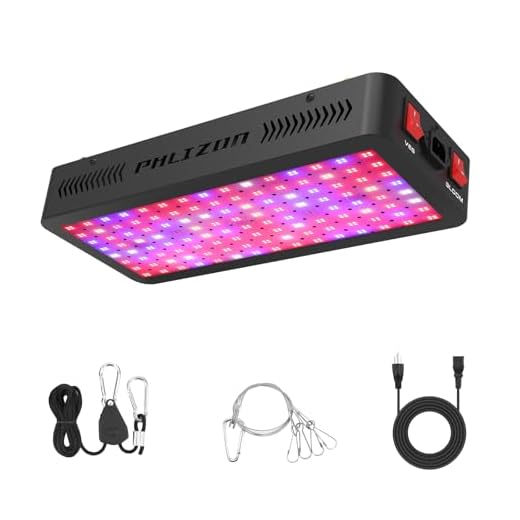
Phlizon 1200W Dual‑Switch LED
You’ll get a very bright fixture with separate veg/bloom switches and broad coverage that suits beginners who want visible results fast. It’s effective for starters and hobbyists, but you should monitor distance carefully — plants close to the light can burn.
Overview
This is a bright, full‑spectrum LED with dual switches for veg and bloom modes, aimed at growers who want clear stage control without fiddly programming. It’s commonly used to increase growth speed and induce flowering in small to medium tents.
What it offers
Real‑world performance
Users tend to see fast, vigorous growth and sometimes dramatic color responses; many start seedlings under this fixture and report quick rooting. The dual switches make it easy to change spectrum as plants move from veg to flower without complex controllers.
Practical limitations
That brightness is a double‑edged sword: keep the light further back or use lower power settings for young or sensitive plants to prevent bleaching. Also consider upgrading hanging hardware and using a heavy‑duty extension cord if the supplied cord or clip is too short for your tent layout.
VIPARSPECTRA P1000 Dimmable LED
You get a compact, energy‑efficient fixture with a useful dimmer and good PAR for seed starting and small tents. It’s a budget winner if you want solid light without a big investment, though it won’t match high‑end diode performance.
Quick summary
This compact LED is aimed squarely at hobbyists and beginners who want reliable light for a small tent or a bench of seedlings without spending a lot. The P1000 improves diode layout and driver safety over older budget models, giving you better PAR and energy efficiency for the price.
What you get
How it performs in the grow room
If you’re starting seeds or running a small veg area, this light will do the job and is especially handy when you want low noise and easy control. Users praise the dimmer and included accessories — common practice is to run at 40–70% for seedlings and up that for veg.
Limitations and tips
Don’t expect flagship level PPE or huge yields with a single unit; if you scale up you’ll want multiple units or a higher‑end fixture. Keep the light a sensible distance from delicate seedlings and use the dimmer rather than constant height adjustments.
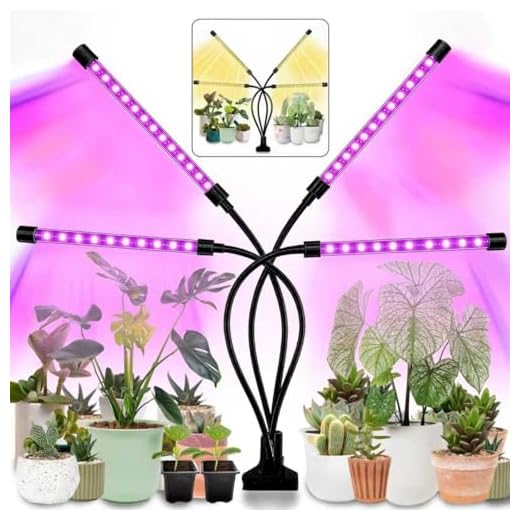
LEOTER 80‑LED Clip‑On Grow Lamp
You’ll get flexible light placement with multiple heads, timers and dim levels ideal for houseplants and small setups. It’s affordable and convenient, especially if you need targeted light for a few pots or a propagation tray.
Who it's built for
This clip‑on lamp is aimed at plant parents who need flexible, targeted light for a few houseplants, cuttings, or a small propagation shelf. The four flexible heads let you direct light where it’s most needed without rearranging furniture.
Key functions
Real‑world use and tips
For propagation and supplemental light it’s incredibly convenient — you can clip it to a shelf and adjust each head to individual plants. Users report excellent reliability for the price and appreciate the secure plug and consistent timer operation. It’s perfect for low‑to‑medium light houseplants and small seedlings.
Limitations and practical advice
Don’t expect it to replace a tent fixture if you’re growing full lifecycles or large flowering plants; output is limited by size. Use it as a supplement or for targeted applications: move it closer for seedlings (monitor for heat) and keep it further away for mature foliage to avoid leaf bleaching.
KingLED KP1000 Yield LEDs
You’ll get a low‑cost way to run a grow with decent PAR and deeper canopy penetration than many same‑price lights. It’s a sensible choice if you’re on a budget or starting out, but it won’t replace top‑end fixtures in efficiency or longevity.
Who should consider it
If you’re on a strict budget and want to start indoor growing without the cost of premium fixtures, this light gives surprisingly good results. It aims to replicate the core coverage of a 400W HID system while using far less power.
Features that matter
Practical performance notes
The unit performs well as a starter light or supplementary fixture; many growers pair two units for adequate coverage. Fans keep temperatures manageable and many buyers report reliable operation when used with adequate tent ventilation.
Limitations and tips
Expect variance in build quality and be prepared to troubleshoot or request replacements if you receive a defective unit. For larger or long‑term grows, factor in eventual upgrades to higher‑PPE fixtures, but for small cycles this is a cost‑effective entry point.
NAILGIRLS 600W Full Spectrum Lamp
You’ll find strong, punchy light output and multiple spectrum modes at a very low price, which makes it tempting for large surface coverage. However, some build and safety claims are questionable, so you should be cautious about wiring and daisy‑chain connectors.
What to expect
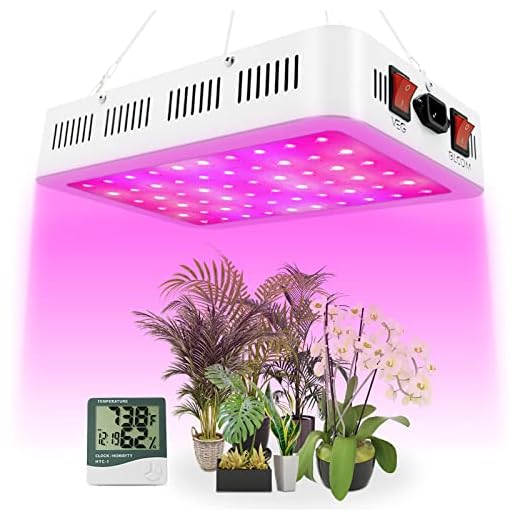
This light advertises a high‑wattage, full‑spectrum output at a rock‑bottom price and includes extras like a digital temperature/humidity meter and rope hangers. It’s aimed at growers who want a bright, easy‑to‑install lamp that covers a larger area without spending much.
Key selling points
Practical use and caution
In practice you’ll get strong growth responses in many plants, and it’s fine for small to medium setups if you pay attention to placement and ventilation. Multiple reviewers note good growth results and quiet fans, but they also flag that the unit’s daisy‑chain connector and some product claims (like being waterproof) are unreliable and could be hazardous if misused.
Safety note and tips
Treat this as a cheap workhorse rather than a premium appliance: inspect the connectors, avoid exposure to moisture, and consider adding a short cord or secure cover on the end‑of‑chain plug. If safety or long‑term reliability is critical, plan to spend more for a unit with clearer certifications.
Final Thoughts
For the best overall performance, go with the California Light Works CLW550 Solarsystem. It’s the pro choice: programmable spectrum, robust build, water resistance, and high‑quality Osram diodes. Pick this if you run larger canopies, multi‑phase grows, or if you want precise spectrum and timing control — it’s worth the premium for repeatable, high‑yield results.
If you want top value without sacrificing efficiency, the Spider Farmer SF2000 Samsung LEDs is your go‑to. It nails energy efficiency and canopy penetration for a 2x4 area and works great from seedlings through bloom. Choose this one if you’re a serious hobbyist with a tent or compact grow and want excellent results without a pro price tag.


Big fan of the California Light Works CLW550 — the programmability is actually useful, not just a gimmick. Pricey, but if you run multiple phases it’s worth it.
I want one but the budget says otherwise 😬 — maybe someday!
Thanks for the endorsement, Samuel. For readers who run different veg/flower phases or larger coverage, the CLW550’s flexibility is a strong selling point.
Thinking of getting the LEOTER clip-on for my apartment succulents. Anyone used the gooseneck version? I need something discreet and flexible.
Also, does the timer actually work reliably long-term?
LEOTER is a solid choice for targeted houseplant lighting. The timers are generally reliable for daily cycles, but I’d avoid relying on a single inexpensive unit for mission-critical propagation. For succulents it’s fine.
I have one on my windowsill — 3/9/12h works fine and the clamp is strong. Only gripe: the plastic flexes a bit after a year, but still usable.
Phlizon 1200W is hilariously bright — my seedlings thought it was the sun and nearly cooked 😂
Jokes aside, double-switch is handy (veg/bloom) but be careful with hang height. If you want quick visible results, it’s good, but yikes, watch your distance.
I started with their recommended heights and had to bump it up. Now it’s fine but rookie mistake was real.
Pro tip: tape a small thermometer to a leaf (not ideal forever) to see real canopy temps. Saved me once.
Haha — that’s a great warning. We’ve had a couple of notes about heat/burn risk with the Phlizon; distance and monitoring are key.
Yep, I keep mine higher during early veg and lower it gradually. Also use a temp sensor near the canopy to avoid surprises.
Long post: I’ve tried the MARS HYDRO TS1000 and the VIPARSPECTRA P1000 over the last year. Quick notes:
– TS1000: compact and the patented reflector actually helped in my 2×2 tent. Seedlings and early veg looked robust. Dims down nicely.
– VIPARSPECTRA: cheaper, decent PAR for starting seeds, but felt a bit weaker in full veg compared to the TS1000.
If you’re on a tight budget and only starting trays, VIPAR is fine. For a small flowering run the TS1000 punches above its weight. Also, the daisy-chain on both saved me from wiring headaches.
Anyone else do side-by-side tests? I did and the TS1000 had about 10-15% better uniformity at canopy level.
Really useful comparison, Jenny — thanks. Your daisy-chain note is great; it’s one of those small features that matters when scaling up.
Thanks for the breakdown — saved me time. Do you think the TS1000 is good for a single 3×3 veg cycle?
How did you measure the uniformity? I only eyeball mine and I’m paranoid about hotspots lol.
I did a quick PAR check with a cheap meter; TS1000 read higher at center and edges vs VIPAR. Not scientific but good enough for me.
I agree on the reflectors. Mine moved from seedling to veg with the same TS1000 and the plants didn’t stretch like they did under my old panel.
Great roundup — thanks! I recently switched to the Spider Farmer SF2000 for my 2×4 tent and it made a noticeable difference in canopy penetration.
Pros: solid Samsung LM301H diodes, low heat, dimmable for clones.
Cons: a bit bulky to hang if you have limited space.
Would recommend for anyone who wants a reliable all-rounder without going full-pro price.
Do you notice any hotspotting? My light seemed a bit uneven until I adjusted the hang height.
Thanks for sharing, Laura — that’s exactly the kind of hands-on feedback readers find useful. Do you run it at full power or dim it during veg?
I run mine at ~70% during veg and bump to 90% for flower. Saves energy and keeps temps down.
Heads up about the NAILGIRLS unit: it looks powerful on paper and the price is tempting, but I had concerns about the wiring and the daisy-chain connectors. Mine arrived with slightly loose connections and I rewired a couple of plugs.
If you buy it, inspect all connections and consider adding a surge protector. Safety first, cheap thrills second.
If anyone’s uncomfortable rewiring, return it and go with a slightly more expensive unit that meets your local electrical standards.
Thanks — that’s the kind of practical warning sellers won’t tell you. I’ll inspect mine closely when it arrives.
Good safety reminder, Owen. We included the NAILGIRLS in the list because of output vs price, but your caution about checking wiring is important.
Budget growers — don’t sleep on KingLED 2025 KP1000 or VIPARSPECTRA. Both gave me surprisingly good canopy penetration for the price. I run the KingLED for veg and switch to a stronger panel for bloom.
Also, the LEOTER clip-ons are lifesavers for isolated pots. If you’re starting out, mix a budget tent light with a clip-on for accents and you’ll be fine.
Agree — I paired a cheap 2×2 panel with a clip-on for side lighting and my yields improved. It’s a good stepping-stone setup.
Nice strategy, Natalie. Combining a tent fixture with focused clip-ons can help even out light distribution without a big investment.
Budget + smart placement = happy plants. Also remember to rotate pots regularly to avoid leaning.
Can anyone suggest a cheap PAR meter? I’m totally in the dark here 😅
Just remember PAR matters more than advertised watts. Check recommended hang heights.
Curious about the California Light Works CLW550 — the programmable spectrum sounds awesome, but is it worth the extra cost over Spider Farmer? I grow a mix of veg and flowering plants and value control.
If you want future-proofing and the option to run different spectrums for veg/flower from the controller, go CLW. But it’s definitely pricier — think of it as a pro upgrade.
Good question. The CLW550 is aimed at growers who need multi-phase control and tougher build quality (Osram diodes, water resistance). If you want granular spectrum control and plan larger runs or mixed phases, it’s worth it. For a hobbyist focused on 2×4/3×3 tents, the SF2000 is often the better value.