
Want happier, faster-growing houseplants — without the guesswork (or the mold)?
Plants don’t pay rent, but they WILL complain if conditions are wrong. You walk into your plant corner and notice limp leaves, leggy seedlings, or mystery mold. That’s a bummer — but fixable.
Indoor gardening can be simple and fun. A few smart tools keep humidity, light, and nutrients in check so your plants thrive. No PhD required — just the right gear and a little routine.
Top Picks




6" 390CFM Inline Fan Combo Kit
This kit delivers strong, reliable airflow and comes with the accessories you need to set up a tent or small grow room exhaust. It's built to move heat and moisture efficiently, though it can be noticeable on higher speeds.
Why ventilation matters
Good air exchange is one of the most important systems in an indoor garden to control temperature, humidity, and odor. This 6-inch inline fan combo gives you a complete package to ventilate a grow tent, closet, or small room reliably.
What's included and how it performs
You get the galvanized-steel inline fan rated up to roughly 390 CFM, a 6" carbon filter, 8 feet of ducting and a speed controller. The motor and impeller design prioritize airflow and longevity, and the included speed control lets you balance noise versus performance.
Real-world benefits and caveats
In practice you’ll notice the difference when lights are on and humidity rises — this combo cools and refreshes the space quickly. Users report solid durability and the ability to run quieter at moderate speeds. Plan for a secure mounting and good duct seals: an improperly fitted hose can reduce performance. Also expect audible noise at high settings; if sound is critical, run the fan on lower speed and increase passive intake area to reduce load.
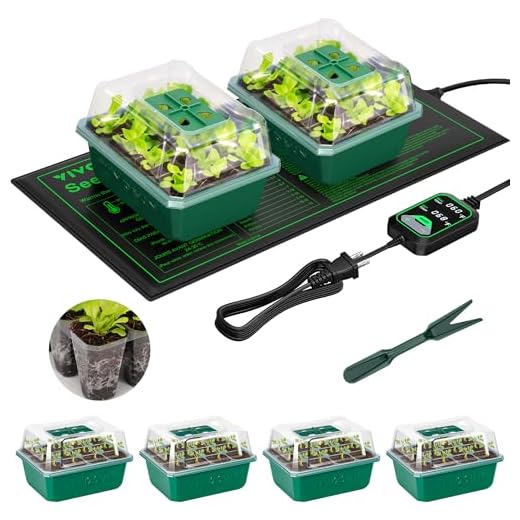
72-Cell Seed Starter Kit with Heat Mat
This kit bundles trays, a humidity dome, and a heated mat to speed and stabilize germination, ideal for starting lots of seedlings. It’s a solid choice when you want a plug-and-play propagation setup.
Designed to speed up your seed-starting
This all-in-one kit gives you the main ingredients for a predictable germination routine: propagation trays with 72 cells, a humidity dome to keep moisture in, and a 10"x20.75" heat mat with a self-adjusting digital controller to maintain root-zone warmth.
How the components help plants
The heated mat raises substrate temperature into the optimal range for many warm-season crops, which shortens germination time and improves uniformity. The dome conserves humidity and reduces watering frequency, while the cell trays keep roots separated for easier transplanting.
Practical use and limits
You’ll see faster, more consistent sprouts when you combine bottom heat with stable moisture — basil, tomatoes, peppers and many herbs respond well. The main limits are physical: taller seedlings will quickly outgrow the shallow dome, and the mat covers only the tray footprint so you can’t heat multiple racks unless you add mats. Clean and dry trays between uses to prevent mold and keep longevity high.
7-Day Dual-Outlet Digital Programmable Timer
You’ll get dependable on/off scheduling for lamps, fans, and grow lights with flexible daily or weekly programs. It’s compact, quiet, and straightforward once you learn the programming steps.
What it does for your setup
This digital timer automates lighting and accessory schedules so you don’t have to flip switches manually. It’s great for simulating day/night cycles, automating grow lights, or running fans and pumps on set intervals.
Features you’ll use every day
The unit supports up to eight on/off programs across its two outlets (both outlets switch together), with minute-level resolution and the ability to choose specific days or presets. It’s ETL-listed and rated for typical household loads, making it safe for common grow gear.
Tips and practical considerations
Give yourself a trial week to verify schedules and avoid surprises when you leave town. Because both outlets switch together, pair devices that should always run at the same time (e.g., light + exhaust). Keep it indoors and away from damp or high-heat locations — it’s not designed for outdoor or wet environments.
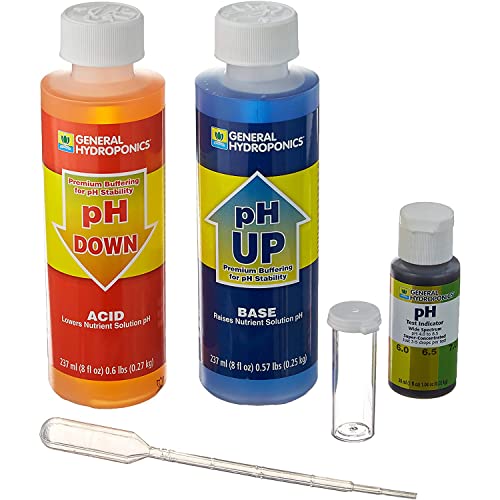
3-in-1 pH, TDS/EC and Temperature Meter
This combo unit gives you pH, TDS/EC and temperature monitoring in a small kit, making it handy for hydroponics and water checks. Expect to calibrate the pH probe regularly for accurate readings.
Why you need multi-parameter testing
Maintaining correct pH, electrical conductivity (TDS/EC) and temperature is critical in hydroponics and advanced container gardening. This VIVOSUN kit packages those measurements so you can diagnose nutrient lockouts, adjust feed strength, and verify water quality quickly.
What you’ll get and how it performs
The kit typically includes a digital pH meter with calibration powder, a TDS/EC pen for measuring dissolved solids or conductivity, and a soil/soil-moisture style tester. The pH meter offers one-touch calibration and the TDS meter provides quick ppm/EC readings — both are compact and portable for quick checks.
Practical advice and limitations
Treat the pH probe well: store it moist between uses and calibrate regularly for reliable data. The combo is great for routine checks and troubleshooting, but if you need lab-grade precision you’ll want higher-end probes. For soil growers the soil meter is useful, but hydroponic users will find the pH and TDS tools most valuable.
High-Accuracy Digital Soil pH Tester
You’ll get versatile pH testing across soil, water and solutions with a clear LCD and included calibration materials. It’s a good choice if you want a robust single-purpose meter for more precise soil work.
Who should consider this meter
If you grow vegetables, maintain acid-loving or alkaline-preferring plants, or test multiple media, this meter is tailored for more targeted pH diagnostics. It’s particularly useful when you need to confirm soil amendments or troubleshoot poor nutrient uptake.
Features and practical performance
The meter measures pH across soils and solutions, includes a thermometer readout and comes with calibration powder and a protective alloy cap. The probes are designed for repeated insertion into substrates and have a form factor that balances durability with accuracy.
Limitations and care tips
Accuracy depends on regular calibration and proper probe care — store the probe as recommended and use fresh buffer powder for best results. While the price is higher than toy-style analog testers, you get more reliable data that can meaningfully improve your amendment and feeding decisions.
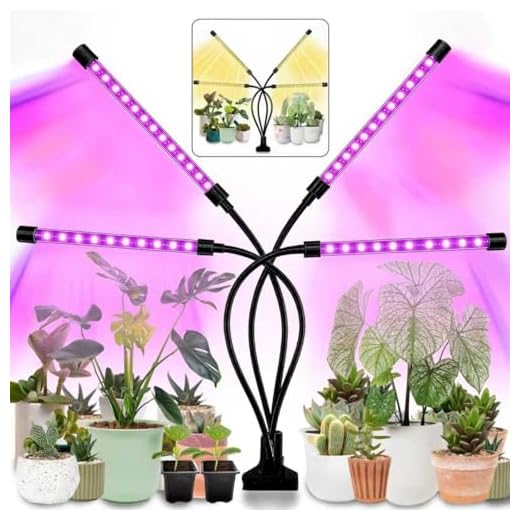
80-LED Full-Spectrum Gooseneck Grow Light
You get a surprisingly flexible full-spectrum lamp for a very low price, useful for seedlings and small pots. It’s best for hobbyists who need targeted light without a big investment.
Purpose and who it's for
This compact LED lamp gives you a low-cost way to add reliable supplemental light to your indoor garden. It's aimed at hobby growers and windowsill gardeners who want to improve seedling vigor, maintain herbs, or top up light for houseplants without investing in a canopy fixture.
Key features and how you’ll use them
The lamp combines 80 LEDs across red, blue and full-spectrum diodes and offers 10 dim levels plus 3 timer modes, so you can tune intensity and photoperiod to your plants' needs. You’ll appreciate the flexible gooseneck for precise beam placement and the simple mode switches for quick adjustments.
Benefits, limitations and practical tips
You’ll get better root and leaf development compared with ambient indoor light, especially during short winter days. Because it’s compact, it’s perfect for a single shelf, a few pots, or to supplement a small hydroponic unit. Don’t expect it to replace large, high-output fixtures for dense arrays or fruiting crops — it’s a targeted supplemental tool.
A practical tip: position the lamp 6–12 inches from seedlings and lower intensity for delicate sprouts. If you plan to scale up, treat this as an economical starter option rather than a permanent replacement for multi-light setups.
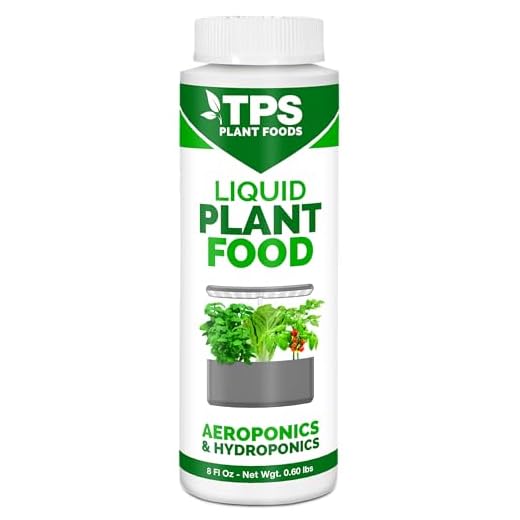
8 oz Hydroponic Liquid Plant Fertilizer
This concentrated formula feeds hydroponic systems and small indoor gardens with an easy dosing routine, producing greener, faster growth for many users. Be cautious with concentration — overdosing can harm sensitive plants.
What it’s meant to do
This liquid plant food supplies essential macro- and micronutrients in an easy-to-dilute formula designed for Aerogarden-style systems and other small hydroponics. It’s intended to replace complex dosing schedules with a simple concentrate that you add to reservoir water.
Performance and user experience
Many users report noticeably greener leaves and faster growth after switching to a balanced hydroponic feed. The convenience is a major win — you mix to label and feed at water changes rather than measuring multiple powders. However, hydroponic nutrient strength matters: follow the dilution instructions closely and start at lighter strengths for delicate seedlings.
Cautions and practical tips
If you’re new to hydroponics, always monitor EC/TDS and pH after adding nutrients — sudden jumps in concentration can stress roots. A small bottle is fine for desktops and kitchens, but if you maintain several pots or a larger reservoir you may find yourself refilling often. When in doubt, err on the weaker side and increase strength gradually while watching plant response.
3-Pack Stainless Steel Bonsai Pruning Scissors
These small stainless-steel snips are handy for deadheading, bud trimming and fine pruning around houseplants. They’re affordable and effective, but some users report durability issues if used on tougher stems.
What these snips are best at
These compact bonsai and trimming scissors excel at delicate work: deadheading, pinch-pruning, harvesting herbs and detailed shaping. You’ll find them especially handy for frequent small tasks where larger shears are too clumsy.
Build, use and performance notes
Made from stainless steel with a spring return, they sit comfortably in the hand and let you make quick, controlled cuts. The three-pack is convenient so you can keep one at each work area or rotate them when resin builds up on blades.
Practical limitations and maintenance
Avoid using these on woody or thick stems — they’re designed for soft growth and buds. A few users experienced blade separation after heavy use; treat them as precise trimming tools rather than heavy-duty pruners. Clean resin off with isopropyl alcohol and store dry to extend blade life.
Final Thoughts
Pick the 6" 390CFM Inline Fan Combo Kit if you need serious air movement. It’s the top pick for tents and small grow rooms because it moves heat and moisture fast, includes the accessories you need, and keeps odor and humidity under control. Install it with ducting near the top of your space, run it on medium speed to start, and add a speed controller if you want quieter operation during lights-off periods.
Choose the 72-Cell Seed Starter Kit with Heat Mat when you want fast, reliable germination. This kit gives you trays, a humidity dome, and a heated mat that stabilizes soil temps for better sprout rates — perfect for starting lots of seedlings or getting a head start on the season. Keep the dome closed until most seeds pop, and set the mat to the recommended temp for the species you’re starting (usually around 70–80°F) for best results.

LEOTER grow light looks like a fun budget option. I’m all for low-cost gear when I’m experimenting with new plants.
But I worry about long-term reliability — budget LEDs sometimes dim or die after a year. Anyone had long-term experience with this brand?
Fair concern, Sophie. In our testing the LEOTER lamp performed well for seedlings and small pots but it’s best for hobbyists — not heavy full-cycle use.
I had one for about 9 months before one strip started flickering. It kept my succulents alive though, so not a total loss.
Thanks — guess it’s great for tinkering and not for my ‘serious’ pepper experiment 😅
For seedlings it’s fine. If you want something for a bigger grow or to flower plants, I’d upgrade to a more robust fixture.
Confused between the VIVOSUN 3-in-1 tester and the Tadeto soil pH meter. Anyone tried both?
I do a bit of hydroponics and also some potted soil herbs. Which would you recommend for frequent checks? Accuracy vs convenience trade-offs would help.
Also consider cleaning probes with distilled water and storing properly. That improved accuracy for me on both meters.
I use the VIVOSUN for nutrient solution and Tadeto for soil. The probe on the combo drifts faster but it’s versatile.
If you want one tool mostly, go VIVOSUN. If you care about soil pH specifically, get Tadeto and be done with it.
Good question. The VIVOSUN combo is convenient for water checks (pH/TDS/temp) and general use, but the pH probe needs regular calibration. The Tadeto is more single-purpose and tends to give steadier soil pH readings if you want precision for potting mixes.
One more tip: calibrate pH probes before doing critical measurements (like before planting cuttings) — it’ll save you guesswork.
About the liquid plant food: I used a similar hydroponic concentrate last season and learned the hard way about overdosing.
A couple of notes for folks:
1) Always start at half the recommended strength and watch plants for 48 hours.
2) Some leafy herbs are sensitive — I had tip burn on basil when I went full strength.
3) Keep a TDS meter handy (the VIVOSUN combo helps) so you can dial it in.
It does work well when dosed carefully — nice growth boost, just be cautious.
Agree — I also flush and reset every few weeks to avoid buildup. Saved my lettuce patch.
Perfect practical tips, Olivia. Starting at half strength is a technique we recommend often.
Quick question: has anyone used the BN-LINK programmable timer on actual grow lights? I’m nervous about setting schedules and losing power resets.
Is there an easy way to restore programs after an outage?
BN-LINK timers usually retain programs through short outages. For longer blackouts you’ll need to reprogram. Best practice: keep a photo of your settings or write them down somewhere.
I use it for lights and it remembers settings fine. The programming is awkward at first but once you set it, it’s solid.
Nice roundup, but some constructive notes about the VIVOSUN fan kit:
– The included ducting is fine but flimsy; if you have sharp edges it can tear. Consider buying a higher-gauge duct if you plan long runs.
– Vibration noise can be reduced with rubber hangers or foam between clamps.
– Speed controller is handy but I wish there was more granularity at the lower end.
Would love any DIY muffling tips from others — I’m trying to make my setup quieter without losing airflow.
Thanks! I’ll try a duct loop and a foam-lined box. Appreciate the suggestions.
I made a simple muffler box lined with egg crate foam and it cut mid-range noise a lot. Just don’t obstruct airflow too much.
Good points, James — higher-gauge ducting and isolation mounts help. For muffling, acoustic foam around the exhaust path and a duct loop can reduce noise.
Love that you included the VIVOSUN inline fan combo — I bought a similar kit last year and it really transformed airflow in my small tent. The 390 CFM is way more than I expected for a 6″ fan.
Only downside: when I run it at higher speeds it’s noticeable, so I usually run it on medium and open a window. Still, excellent value for the accessories that come with it.
Good point — I used rubber hangers and it cut down on rattling a lot. Worth the extra 5 bucks.
Thanks for sharing, Anna — great tip about keeping it on medium. We found the same: good ventilation but can be loud at max speed.
Did you mount it with any vibration isolation? I had a similar fan and the noise was mostly from the frame, not the motor.
I have the VIVOSUN 6-pack starter trays with the heated mat and it’s been a game-changer for winter sowing.
The dual digital controller keeps temps steady, and I like that the humidity dome is tall enough for tomato seedlings.
Just a heads up: check moisture daily — the mat can dry media faster than you’d think.
If you’re starting dozens of seedlings, this kit is a bargain.
Highly recommend for beginners and people who want plug-and-play setup.
Totally — I burnt a tray once by leaving the mat at too-high temps overnight. Now I set the controller a degree lower and it’s perfect.
Great feedback, David — moisture monitoring is key with heat mats. Thanks for the practical tip about tomatoes.
The MUUZLL snips are cute and perfect for deadheading my houseplants, but I did snap one cutting a woody basil stem. They’re great for delicate work but don’t expect them to replace real pruners.
Anyone else had durability problems? I keep sharpening and they still feel a bit flimsy.
Good call — I’ll stop using them on anything over pencil-thick stems. thx
I only use them for flower buds and small shoots; saved my big pruners for thicker branches.
Thanks, Ethan — that’s consistent with user reports: great for fine trimming, not for thicker stems. Treat them like bonsai/snipping tools, not loppers.
I grabbed the 72-cell seed starter kit and honestly my germination rate jumped.
The heated mat plus humidity dome made a huge difference — no more saggy seedlings for me.
I use a light schedule with the BN-LINK timer and the LEOTER lamp for the first two weeks.
Pro tip: label the trays! I messed up and had three different basil varieties mixed up 😂
PS: the trays are reusable and clean up pretty well, just let them dry fully before storing.
Love the labeling tip — saved many readers from the same mix-up! Thanks for sharing your workflow.
Same here — labeling is life. Also, I add a tiny bit of perlite to the mix to improve drainage.
I’m amused that we have both a fancy ventilation kit and small bonsai snips in the same list 😂
Questions:
– Does the VIVOSUN combo (fan + filter) fit a 3’x3′ tent easily?
– Is the carbon filter really necessary for herbs or is it overkill?
I like the idea of odor control but also want to keep costs down. Thoughts?
Filter also helps with mold spores and keeps air cleaner — worth it if you’re running active ventilation long-term.
It should fit a 3’x3′ tent fine. Carbon filters help with odors and filter particles — for herbs it’s optional but useful if smell is a concern.
If you vent outside, consider a noise dampener if stealth is important — fans can be loud at higher speeds.
For herbs, I sometimes skip the filter and just vent outdoors. If odor is not an issue, save the money.
Thanks — might just vent outside and skip the filter for now. 😂