
Stop guessing — get tools that make your windowsill jungle THRIVE (and spare you from plant-parent guilt).
Your plants CAN be thriving, not just surviving. You don’t need a greenhouse or a fancy degree — just the right little upgrades.
From a clean cut to the right light and a quick moisture check, tiny tools make big differences. These eight essentials will help you spend less time stressing and more time enjoying green, happy plants.
Top Picks





Fiskars Bypass Pruning Shears 5/8-Inch
Sharp, ergonomically balanced, and built to last, these shears make quick work of stems and small branches without crushing tissue. They’re a go-to tool you’ll reach for again and again during the growing season.
Why these shears belong in your kit
You need reliable, sharp cutting tools for pruning, deadheading, and harvesting — and these bypass pruners are a trusted option for most home gardeners. Their bypass action gives clean cuts on living stems, which helps plants heal faster and reduces disease entry.
Key characteristics
The ergonomic feel and dependable cut quality reduce wrist fatigue during repeated trimming sessions. The sap groove keeps blades from gumming up, and the locking mechanism makes storage safe and simple.
Realistic notes
These are not loppers — they won’t handle thick limbs. For heavier pruning you’ll want bypass loppers or a saw. With normal use you’ll only need occasional sharpening and basic maintenance like cleaning sap and oiling the pivot.
Quick care tips
Wipe blades clean after use, disinfect if you prune diseased plants, and oil the pivot periodically. A sharp blade also makes cleaner cuts and is easier on your hands.
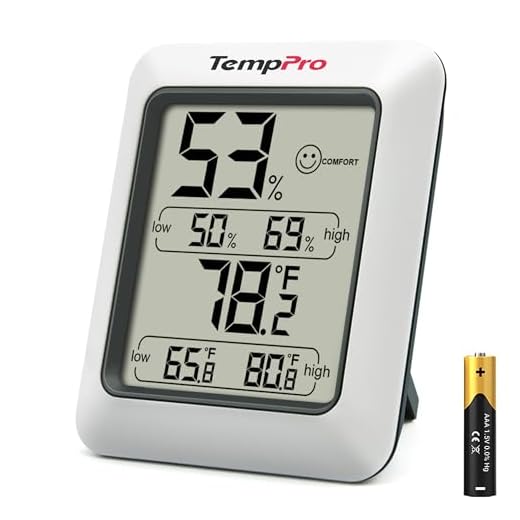
ThermoPro TP50 Temperature Humidity Gauge
A compact, accurate hygrometer that helps you keep plant rooms and grow tents in the sweet spot for most houseplants. The simple comfort indicator (dry/comfort/wet) makes it fast to interpret humidity at a glance.
Why a hygrometer matters
Humidity is a major factor for tropical houseplants, seedlings, and succulents alike. You can avoid dry-air shock or persistent dampness by monitoring humidity trends, and this unit gives you a clear, fast readout so you can act — run a humidifier, open a window, or tweak watering schedules.
What you get
The unit’s simplicity is its strength: place it near your plants and check it daily. Over weeks you’ll know whether a location is consistently dry (and needs a mister or pebble tray) or too humid (risking mold or pests).
Limitations and tips
This classic model won’t log data long-term or push alerts to your phone. If you want continuous logging or remote monitoring, consider a smart version. For most growers, though, this display is all you need to maintain a healthy environment.
Best practice
Keep the monitor at plant canopy level for the most relevant readings and avoid placing it directly in sunlight or near vents that give skewed results.
Burpee 36-Cell Reusable Seed Tray
Flexible pop-out cells make removing seedlings painless and reduce transplant shock, and the reusable silicone is a huge step up from thin disposable trays. It’s a simple tool that improves the whole seed-starting process.
Who this tray is for
If you start seeds indoors, this tray removes a lot of the frustration around getting delicate seedlings out intact. You’ll especially appreciate it when you’re raising many small plants (herbs, annuals, vegetable seedlings) and want to minimize root disturbance at transplant.
Standout features
Users find the pop-out cells make transplanting almost effortless; you won’t be wrestling with brittle plastic and damaging roots. The built-in drainage channels also reduce the chance of overwatering, which is a common starter mistake.
Limitations and practical notes
The tray doesn’t include a humidity dome, so you’ll need to improvise with plastic wrap or buy a dome if you want higher humidity for germination. Also, because it’s reusable, clean it thoroughly after each use to prevent disease transfer.
How to get the most from it
Label rows when you sow (the tray’s labels help) and use seedling plugs or a light seed-start mix. When transplant time comes, push from the bottom of each silicone cell to remove seedlings with minimal root disturbance.
VIVOSUN 6.5-Inch Hand Pruning Shears Orange
Lightweight micro-tip snips that excel on herbs, flower deadheading, and fine trimming tasks. They’re comfortable for long sessions and let you get into tight spots without crushing stems.
Ideal use and target gardener
If you do a lot of detailed trimming — harvesting herbs, deadheading flowers, or grooming young plants — these snips are a great everyday tool. Their slim profile and sharp edge make precision work quick and comfortable.
Features and user benefits
Gardeners praise their ability to reach tight buds and trim without crushing stems — which matters for delicate crops like basil or rose deadheads. They’re a particularly good addition to an indoor garden toolkit where finesse matters more than brute force.
Limitations
Avoid using them on woody branches or large stems; they’re designed for precision, not power. For heavy pruning you’ll want the Fiskars bypass shears or a dedicated lopper.
Usage tip
Keep a small bottle of rubbing alcohol handy to wipe blades between uses to prevent sap buildup and disease transfer when moving between plants.
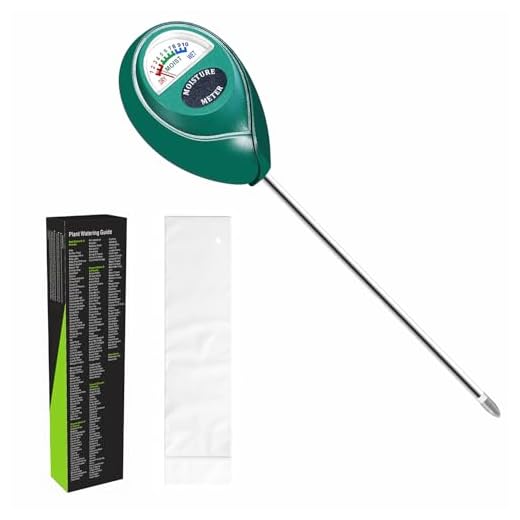
XLUX Analog Soil Moisture Meter Gauge
A straightforward, battery-free gauge that tells you whether the soil is dry, moist, or wet at depth — far more useful than poking the surface with your finger. It’s low-effort and effective for everyday watering decisions.
Why this meter is handy
You want a quick read on whether plants actually need water; surface checks can mislead you. This analog moisture meter probes deep into the pot and gives an instant visual (dry, moist, wet) so you can avoid over- or under-watering.
Features and benefits
Because it’s fully mechanical, it’s incredibly simple to operate: insert the probe 2–3 inches into the root zone and read the dial. For many houseplants and container gardens, that’s all you need to drastically reduce watering errors.
Things to keep in mind
Analog meters give general guidance rather than lab-grade measurements; they’re best for trend-spotting rather than pinpoint pH or moisture percentages. Avoid leaving the probe in soil for long periods to reduce corrosion; pull it out, wipe it clean, and store it dry between uses.
Practical tip
Use the meter to check several spots around larger pots — moisture can vary across a mix — and track readings over a week to learn how quickly specific pots dry out in your home.
YAMRON 4-in-1 Soil Tester Meter
This meter packs moisture, pH, temperature, and light readings into a single handheld unit so you can make informed care choices quickly. It’s a useful diagnostic device if you’re adjusting soil mixes or troubleshooting plant issues.
What it brings to your toolbox
When you want more than just moisture — for example pH for acid-loving plants or light intensity for repositioning seedlings — this 4-in-1 meter gives you a pretty complete picture with one probe. That makes it great for container gardeners, vegetable beds, and potted houseplants.
Core features and practical uses
Users report that pH accuracy depends on following the directions (don’t use for pure liquids, test in soil at recommended moisture levels). When used as instructed it gives you actionable information: adjust fertilizer, choose potting mixes, or move a plant to brighter or shadier spots based on the readings.
Limitations
This isn’t a lab instrument; expect some variance between units and occasional recalibration needs. For hydroponics or precise lab work, invest in specialized equipment. For everyday gardening, it’s a highly practical tool.
Quick how-to
For best pH results, test multiple points in the pot and average readings. Avoid testing immediately after heavy watering — allow the soil to equilibrate to get repeatable numbers.
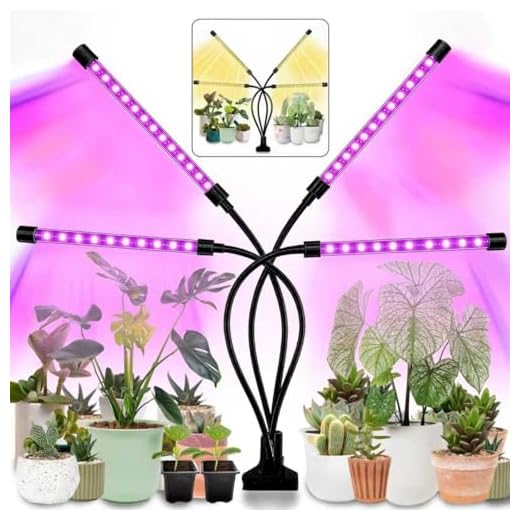
LEOTER 80-LED Full Spectrum Grow Lamp
Compact and surprisingly versatile, this lamp gives seedlings and houseplants the light they need without breaking the bank. It’s great for desks and small grow stations where adjustable brightness and timers matter.
What this light does and who it’s for
You get a compact, clip-on grow lamp built around 80 LEDs that mix full-spectrum, red and blue diodes to support seed starting, vegetative growth, and maintenance of small houseplants. It’s aimed at hobbyists who want something affordable, easy to use, and versatile enough for a desk, windowsill, or small shelf garden.
Key features and practical benefits
You can set the timer and walk away, or dial in lower intensity for delicate seedlings. The clip and gooseneck let you position light close to small pots or multiple seedlings without bulky stands.
Limitations and realistic expectations
While the lamp performs very well for small setups, it won’t replace a larger fixture if you’re growing many plants or taller specimens. The materials are lightweight, so you should clip it to a sturdy surface. For larger grow tents or multi-shelf operations, plan on multiple units or a higher-wattage fixture.
Practical tips
For best results, place the lamp 4–8 inches above seedlings and use medium dimming for germination, higher intensity for vegetative growth. If you’re running multiple pots, stagger placement or rotate plants every few days to avoid uneven light exposure.
GooingTop Clip-On Full Spectrum Lamp
A reliable clip-on lamp that mimics noon daylight with a high CRI and gentle light that’s easy on the eyes. It’s especially handy for desktop herb gardens and single-shelf setups where space is limited.
Why you might pick this lamp
You’re getting a clip-on lamp tuned to a 6000K full-spectrum output (white + red LEDs) that looks and feels close to natural midday light. That makes it a strong choice for growers who want neutral-looking light for photography or to better judge plant color and health.
What it offers
The high CRI (color rendering) helps you accurately see leaf color and spotting, which is useful when diagnosing nutrient or light issues. The waterproofing gives you flexibility to use it in kitchens or bathrooms where humidity is higher.
Practical constraints
This lamp is best for small collections: a few pots or a small hydroponic tray. If you try to light an entire shelving unit with one lamp you’ll get hot spots; consider multiple lamps or a larger panel for even coverage.
Quick user tips
Clip it to a bookcase or desk edge and angle the gooseneck so the beam covers the canopy uniformly. Use lower dimming during germination and increase intensity as plants leaf out.
Final Thoughts
Pick the Fiskars Bypass Pruning Shears 5/8-Inch if you want one reliable, everyday tool that handles most tasks. They’re sharp, ergonomically balanced, and built to last — perfect for regular pruning, propagating, and keeping stems healthy without crushing tissue. Buy these if you prune, shape, or propagate often.
Choose the LEOTER 80-LED Full Spectrum Grow Lamp if light is your bottleneck. It’s a budget-friendly full-spectrum option with adjustable brightness and timers, ideal for seedlings, desk gardens, and single-shelf setups where natural light is limited. Get this lamp to turn sketchy light into consistent growth.


Has anyone tried both the XLUX soil moisture meter and the YAMRON 4-in-1? I’m curious about practical differences.
I mostly worry about overwatering, so a simple moisture gauge sounds ideal, but the YAMRON’s pH and light readings are tempting.
Are the pH readings on the YAMRON reliable, or are they just gimmicky? Also, any tips on calibrating these devices?
TIA, this is my first time using gadgets beyond a watering can!
If your pots are small and you just want to know when to water, XLUX is my vote. No batteries, quick check. YAMRON is more for hobbyists who want diagnostics.
Calibration tip: buy pH 4 and 7 solutions. Calibrate every few months and store the YAMRON probe in storage solution if it comes with one.
XLUX is great for basic go/no-go moisture checks — simple and battery-free. The YAMRON gives more info, but pH probes on budget meters can drift and need calibration with buffer solutions for accuracy. If you only want to avoid overwatering, XLUX is low-effort and effective; get the YAMRON if you plan to mix soils or troubleshoot nutrient issues.
I’ve used a cheap pH meter — they tend to be +/- 0.2-0.5 pH unless you calibrate regularly. For houseplants it’s fine for rough guidance but don’t treat it like lab-grade data.
Also watch the probe length — for deep pots you need a long probe to check lower soil moisture.
Skeptical about the YAMRON 4-in-1 as a replacement for dedicated meters.
It sounds great on paper — moisture, pH, temp, light — but can a single cheap handheld do all of that reliably?
Anyone used it for diagnosing pH-related yellowing or for adjusting soil mixes? Were the results actionable, or did you end up buying separate tools anyway?
Curious if it’s worth the one-time buy or just a novelty.
I started with a YAMRON and used it to spot-check problems. It helped me realize one pot was consistently overwatered (moisture read ‘wet’ at the root zone). For precise pH tweaks I later got a better pH meter, but YAMRON got me 80% of the way there.
You’re right to be skeptical. The YAMRON is a handy diagnostic tool for ballpark readings; it can point you toward issues (e.g., low pH or low light) but for precise pH work or professional diagnostics you’ll want a dedicated meter. Many users buy it as a first step and then upgrade if they need higher accuracy.
VIVOSUN snips are tiny but mighty. Perfect for deadheading my marigolds and snipping basil leaves. Didn’t expect much but they’re now in my daily kit. 😎
I keep a pair in the kitchen drawer for snipping herbs — so handy.
Yep, micro-tip snips shine for delicate tasks. Glad they fit into your routine.
Watch the blade alignment over time. If they get misaligned, a tiny adjustment with pliers usually fixes them.
I’m torn between the LEOTER 80-LED lamp and the GooingTop clip-on for my little herb corner.
I work at a tiny desk so space is a premium, but seedlings need decent light.
Anyone used both? Which one gives better coverage for 4-5 small pots?
Also, are the timers on these lamps reliable or do they randomly reset? 😂
Thanks — wanna avoid buying something that ends up in my ‘plant graveyard’.
If you really hate futzing, get the LEOTER. Clip-ons are fine but tend to be fiddly when you rearrange plants. Also, check the lumens/specs — LEOTER gives more versatile dim levels.
I had the same dilemma. Ended up with the LEOTER on an adjustable gooseneck and it’s been great for 6 small pots. Coverage is way better than a clip-on. The timer has been stable for me — zero resets in 3 months.
If your setup is a single shelf or desk with a few pots, the GooingTop clip-on is usually sufficient — it’s great for focused light and has decent timing options. The LEOTER is better for a wider spread or 2-tier setups. Timers are usually OK, but I recommend using the lamp’s timer plus a smart plug if you want redundancy.
Burpee SuperSeed tray saved my tomatoes this year — pop-out cells are legit. Transplanted with minimal root disturbance and the seedlings shocked less than usual.
If you start seeds indoors, this tray is worth the money.
I second this. The reusable material also took a beating but still held up. Just be sure to sanitize between uses.
Great to hear that worked for you. The pop-out design is one of those small design wins that actually improves transplant success.
Loving the roundup — bought the Fiskars shears and a LEOTER lamp after reading it.
Quick question for others: does anyone schedule grow lights on a smart plug instead of the lamp timer? I’m wondering if there’s any downside.
Also, are 3/9/12H timers (like on the LEOTER) enough for seedlings that need 14-16 hours, or is that where a smart plug comes in handy?
Curious to hear setup tips.
If you’re running multiple lights I’d suggest grouping them in the smart plug app so you can control everything together.
I use a smart plug with the LEOTER. Works flawlessly and I can tweak hours from my phone. Pro tip: add a sunrise/sunset routine so the light ramps if your smart plug/app supports it — easier on the plants (and your eyes).
A caution: some cheap smart plugs can glitch during power outages and reset. Look for one with good reviews or local fallback scheduling.
Smart plugs are an easy solution if your lamp’s built-in timers don’t match your photoperiod needs. Many people use smart plugs to set precise on/off schedules (e.g., 14 hours) and to integrate with routines. No real downside other than another device and possible Wi-Fi dependency.
Bought the Fiskars Bypass Pruning Shears last season and they really are as good as the review says. Sharp edge, comfortable grip, and still no rust despite me forgetting to clean them sometimes.
Big thumbs up from me.
Agree — Fiskars are my go-to too. If you’re pruning thicker stems, watch the 5/8″ capacity limit though; anything much bigger and you’ll need loppers.
Glad they worked well for you, Maya. A light wipe and oil after heavy use goes a long way to keep them in top shape if you want them to last years.
Quick question about the ThermoPro TP50 hygrometer: how accurate is it compared to smartphone apps or the more expensive digital sensors?
I’ve been monitoring humidity for my philodendron and want to know if the comfort indicator is trustworthy.
Would it be worth buying two and cross-checking? (I know, OCD 😅)
I compared a TP50 with a calibrated sensor once — TP50 read within ~3% humidity of the lab unit. Good enough for plant care, not for scientific experiments.
Tip: place it at plant canopy height, not on the floor. Readings can vary a lot by a few feet depending on airflow and heat sources.
Also, battery life is decent. I left mine running for months without issues.
The ThermoPro TP50 is generally accurate for home use within a couple percentage points. For most houseplants, that’s plenty to tell if you need to increase humidity. Buying two is overkill unless you need data logging — one well-placed thermo/hygrometer is enough for a single room.