
Want restaurant-quality basil at midnight? Your kitchen counter is about to get famous.
You can grow dinner tonight. Imagine snipping FRESH basil or mint from a little garden on your counter — no backyard, no fuss.
Indoor herb kits save space, cut waste, and keep flavor on hand. They’re low-effort, fun, and perfect for busy cooks or apartment gardeners who want big taste with small commitment.
Top Picks





Large 9‑Pod WiFi‑Enabled Stainless Garden
You get a high‑capacity, smart garden with adjustable 50W LED and a touchscreen that handles reminders and garden stats. The Wi‑Fi/Alexa integration and tall grow height make it ideal if you want to grow larger plants or more varieties indoors.
Overview
This is AeroGarden’s top‑end Bounty Elite — a stainless‑steel indoor garden aimed at users who want more capacity, control, and connectivity. It supports up to nine pods and taller plants, and its 50W adjustable LED gives you the punch you need for rapid growth.
Standout features
Those features translate to more planting flexibility: you can grow tomatoes, peppers, herbs, or flowers that reach up to ~24 inches. The touchscreen tips and app support are particularly useful if you’re experimenting with more demanding crops.
Benefits, limitations, and practical advice
You’ll love the control: adjustable light intensity and smart reminders reduce guesswork and help maximize yields. The stainless finish looks upscale on a counter or in a modern kitchen. The tradeoffs are cost and bright LEDs — the light is effective but can be intrusive if located in a living area.
For your money you get one of the most capable consumer indoor gardens available: great for serious hobbyists or anyone who wants year‑round produce without a backyard.
Compact 6‑Pod Hydroponic Countertop Garden
You get a compact, largely hands‑off system that reliably grows culinary herbs and small greens. The built‑in full‑spectrum LED and automated reminders make it ideal if you want fresh herbs without daily fuss.
Overview
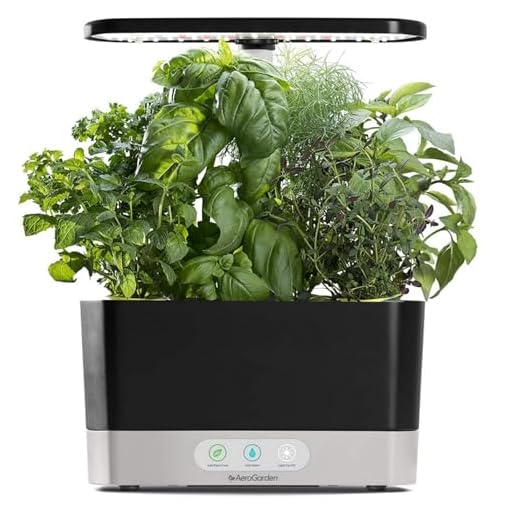
The Harvest is a compact hydroponic countertop garden designed to get you fresh herbs and small vegetables year‑round without soil. You set the pods, add water and nutrients, and the system’s LED light and timer do most of the work—great when you want fresh basil or mint on demand.
Key features and what they do
These features mean you’ll see fast germination and steady growth: users commonly report visible sprouts in days and harvestable herbs in a couple of weeks. The compact size makes it a good fit for small kitchens or office desks.
Benefits, limitations, and practical tips
You’ll appreciate how low‑maintenance the system is — it’s essentially “set and check.” The light is powerful for the unit size, so expect vigorous growth without outdoor light. On the flip side, six pods limit how many varieties you can maintain at once and it won’t replace a full garden for large harvests.
If you’re new to indoor gardening and want something attractive that works reliably, this unit is an excellent starting point. It balances convenience, performance, and size for most home cooks who just want fresh herbs on demand.
9‑Pod Smart Garden For Bigger Harvests
You can grow up to nine plants simultaneously with minimal hands‑on time, which is great if you want a range of herbs and salad greens. The larger reservoir and efficient lights make it easier to keep a steady supply of fresh ingredients.
Overview
This larger Click & Grow model scales up the smart planter concept so you can maintain a wider assortment of herbs, lettuces, and compact vegetables. It’s a good step up if you found smaller units too limiting but still want minimal maintenance.
Features that matter for everyday use
With nine planting spots you can stagger plantings for near‑continuous harvests — for example, keep basil, parsley, and lettuce on different cycles so you always have something ready to snip. The larger size also gives you more room for slightly taller or bushier varieties.
Practical limitations and tips
It takes up more countertop or windowsill space, and you may need to source additional pod varieties directly from the maker if Amazon listings are limited. Mold on the pod surface is occasionally reported but usually manageable with airing and light pruning.
If your goal is consistent, multi‑variety production without the complexity of a fully manual garden, this nine‑pod system hits the sweet spot between convenience and capacity.
Smart Windowsill Garden With Pods
You get a self‑watering, soil‑based smart planter that makes growing herbs nearly foolproof. The energy‑efficient LED and prefilled plant pods reduce guesswork, making it a good choice if you want attractive, low‑effort indoor greens.
Overview
This Click & Grow smart planter is a soil‑based alternative to hydroponic units. Instead of bare pods and nutrient bottles, you use prefilled, biodegradable plant pods that contain optimized growth medium and seeds — good if you prefer a more natural feel and less technical setup.
Key features and user benefits
That approach removes a lot of the mystery: you drop in a pod, fill the water tank, and plug it in. Users report fast sprouting and high success with herbs and salad greens. The unit’s modern design also looks at home on a windowsill.
Limitations and practical tips
You may see occasional surface mold on the soil medium if humidity is high — it’s usually cosmetic and manageable by briefly drying the pod or using a natural dusting (like cinnamon). The app provides reminders and growth tracking but doesn’t control the hardware.
If you want a straightforward, attractive planter that removes much of the technical overhead of hydroponics, this Click & Grow model is an excellent middle ground.
Tiny 3‑Pod LED Countertop Garden
You get a tiny, affordable unit that’s ideal for growing a few herbs or a couple of cherry tomatoes. It’s an easy, low‑risk way to try indoor hydroponics without a big commitment.
Overview
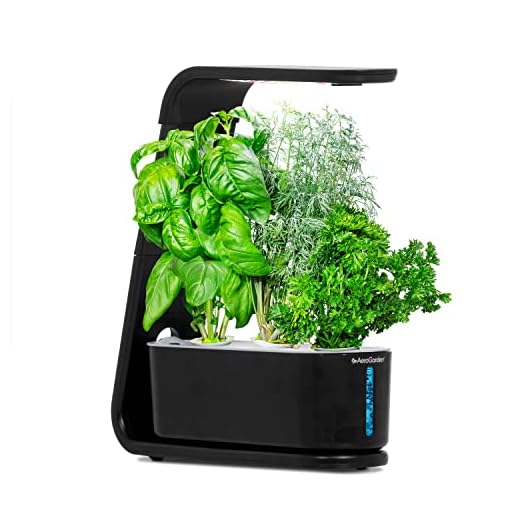
This compact 3‑pod unit is designed for beginners or anyone short on space. It gives you the essentials: a grow light hood, automated timer, and a small deck for three plants — perfect for basil, mint, or mini tomato varieties.
What to expect from performance
Because it’s small, the Sprout is forgiving and fast — seeds sprout quickly and the system is easy to restart. It’s not intended for continuous full‑kitchen supply, but it’s perfect for a few frequent herbs.
Practical tips and limitations
The biggest constraint is capacity: if you want multiple meal‑sized harvests you’ll quickly outgrow it. Still, it’s a great proof‑of‑concept: inexpensive to run and small enough to sit on a windowsill or dorm room counter.
If you want a low‑cost way to try indoor hydroponics without taking over your counter, this tiny garden does exactly that.
10‑Pod Countertop Hydroponic Growing System
You can experiment with many varieties thanks to the 10‑pod layout and quiet pump. It’s an approachable system for beginners who want a larger learning platform without too much complexity.
Overview
This 10‑pod system gives you extra planting slots while remaining a countertop unit. It combines a water reservoir, overhead LED grow lamp, and circulation pump to keep roots oxygenated and plants growing up to several times faster than outdoor soil in poor light.
What it does well
The larger number of pods makes it a favorite for people who want to maintain multiple herbs and greens at once. The quiet operation means it can even sit in a bedroom without much disturbance.
Drawbacks and practical suggestions
The fixed lighting/timer behavior can be confusing at first and may reset after power outages; the unit’s instructions can be a little terse. Some users see surface mold on seed media, which usually responds to short drying periods and basic hygiene.
Overall, this unit is a sensible jump from tiny starter gardens to a more experimental setup where you can trial several crops and learn what grows best in your home.
Budget 8‑Pod Hydroponic Grow Kit
You get surprisingly good functionality for a low price: LED lighting, a quiet pump, and multiple pods. It’s a solid budget entry that’s best if you want to experiment without investing heavily.
Overview
This eight‑pod hydroponic kit targets price‑conscious gardeners who want a functional, no‑frills system. It includes an LED grow light, a smart water pump, and a deck for several seedlings — enough to experiment with herbs, lettuces, and small veggies.
Practical features and performance
In real use it performs well for the price: users praise its reliability and the fact it arrives with everything you need. The system isn’t as polished as high‑end brands, but it gets plants through germination and growth reliably.
Limitations and how to work around them
Expect cheaper plastics and a simpler timer system; some advanced controls and app integrations are absent. With careful placement, regular water checks, and occasional cleaning you can get consistent results without spending much.
If you want the hydroponic experience without a big upfront cost, this kit is a sensible, functional choice.
Complete 9‑Herb Starter Kit With Tools
You get a complete soil‑based starter kit with seeds, biodegradable pots, soil discs, and tools — perfect for gifting or teaching kids to garden. It’s low tech, low risk, and gives quick satisfaction for beginners.
Overview
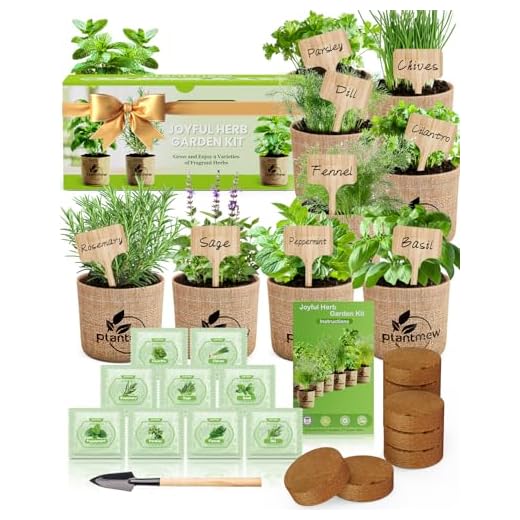
This 9‑herb starter kit is a non‑electric, soil‑based solution built for beginners and gift‑giving. It bundles seeds, biodegradable pots, nutrient soil discs, basic pruning shears, and markers so you can plant straight away on a sunny windowsill.
Why people like it
Because it’s hands‑on, you’ll learn the rhythm of watering, thinning, and harvesting. It’s especially rewarding with kids: the quick sprout times keep interest high and the small tools are sized well for little hands.
Practical limitations and tips
The tradeoff for simplicity is scale: pots are small and plants will need transplanting if you want larger specimens. Yields are best for fresh snips rather than meal‑sized volumes.
If you want a cute, low‑cost way to start growing herbs or a memorable gift that teaches gardening basics, this kit is a charming, effective option.
Final Thoughts
Pick the Large 9-Pod WiFi-Enabled Stainless Garden if you want the best long-term setup. With a 9.5/10 expert rating and the “Best premium, smart indoor garden” badge, it gives high capacity, a powerful adjustable 50W LED, a touchscreen with reminders and garden stats, and Wi‑Fi/Alexa integration. Get this if you cook often, want to grow larger plants (think tall herbs or compact peppers), and like automation that actually does the work for you.
Choose the Compact 6-Pod Hydroponic Countertop Garden if you want the easiest route to fresh herbs. Rated 8.8/10 and called the “Best starter hydroponic kit for kitchens,” it’s small, largely hands-off, and uses a full-spectrum LED with automated reminders. This one is ideal if you have limited space, want minimal maintenance, and want fresh culinary herbs on weeknights without a learning curve.

Loved the roundup — thank you! I’ve had an AeroGarden Bounty Elite for a year and it’s been stellar. The Wi‑Fi/Alexa features actually help a lot with reminders and the taller grow height is great for basil and rosemary.
Only downside: replacement pods can be pricey if you want exotic herbs. Still worth it for the convenience IMO.
Curious — how often do you refill water with the Bounty Elite? I’m tempted but worried about daily maintenance.
Thanks for sharing your experience, Emily — really helpful. If you want to cut pod costs, some people use third‑party seeds in net pots with the Bounty Elite. Works well but requires a bit more effort.
Totally agree. I swapped in my own seeds too. Takes a couple tries to get spacing right, but budget much better 👌
I’m in a small apartment and wondering whether to go with the AeroGarden Sprout or the Hydroponics Growing System (budget). I like the idea of Alexa integration mentioned for the Bounty Elite — does the Sprout or budget option work with voice assistants?
Also, anyone worried about smell or mold in a tiny space? 😬
One more tip: stick the unit near a window for natural airflow, and use filtered water to limit mineral buildup — helps prevent musty smells.
If voice control is a must, consider the Bounty Elite. Otherwise Sprout is great because it’s affordable and near-silent.
I use a Sprout in my studio — no smell, super tiny, and it fits on the counter. No voice control but that’s fine for me.
The Sprout and most budget hydroponic units typically don’t have Alexa/Wi‑Fi integration — that’s mostly the higher‑end AeroGarden Bounty models. As for smell: healthy hydroponic systems don’t produce strong odors. Mold can occur with overwatering or poor cleaning — just rinse and clean reservoirs every 2–4 weeks.
I ordered the Ahopegarden 10‑pod mainly to experiment with weird herbs and microgreens. For the price it seems like a fun sandbox to learn hydroponics.
If you’re experimenting, try mesclun mixes and micro basil — quick results and rewarding. Have fun!
That’s exactly the use case it’s good for — lots of pods to experiment without huge cost. Just be ready to clean the system regularly and monitor nutrient solution strength.
Quick question for the hydroponic owners:
I’ve been eyeing the Ahopegarden 10‑pod and the generic Hydroponics Growing System from the list.
Do their pumps make a loud buzzing? I live in a small studio and noise at night is a dealbreaker.
Also, are those budget systems generally more prone to algae or bugs vs the AeroGarden models?
Also depends on water quality — distilled or filtered water reduces mineral buildup and slime. Cheap pumps can fail faster, though.
I have the Ahopegarden and it hums, but it’s not loud enough to wake me. I put it on a small towel and it’s fine. Night time you can turn the light off so less algae risk too.
Good questions — most budget systems use small submersible pumps that hum quietly. The Ahopegarden and the other budget unit are advertised as quiet; real-world noise is usually a low whirr. Placement (on a rubber pad) helps a lot.
Algae/biofilm risk is more about maintenance: cleaning the reservoir every few weeks and keeping strong light schedule helps. AeroGarden tends to have better build/filters which reduces maintenance.
If noise is a must‑avoid, consider the non‑electric 9 Herb kit for windowsill herbs. No pump, zero noise — but obviously different experience.
I will probably kill anything I bring home so the non‑electric 9 Herb kit is calling my name lol.
Seriously though, the soil kits are great for gifts. My sister got one and actually kept everything alive for 3 months (shockingly).
Pros: cheap, no plugs, teaches kids.
Cons: no fancy LEDs, not as fast as hydroponics.
Anyone else tried the soil kit with kids? Any tips to avoid the tiny seedlings going limp?
Soil kits are excellent for kids — keep watering light and consistent, give them a sunny windowsill, and avoid overfertilizing. Using a clear schedule (kid waters every Tue/Thu) helps build a habit and prevents overwatering.
My nephew actually named each pot and did better 😂 Small rituals help.
Pro tip: poke a toothpick into the soil — if it comes out moist, don’t water. Kids love the toothpick test 😂
And if you want a hybrid: put the seed pods from the soil kit into biodegradable pots that fit a windowsill tray. Easy to manage and tidy.
Also choose fast‑germinating seeds like radish or basil for quick wins and morale boosts.
I like the Click & Grow 9‑pod option in the list — more variety and continuous harvests sounds great for meal prep. Anyone tried both the Click & Grow 9 and the AeroGarden Harvest? Which is easier if you’re a total beginner?
I started with AeroGarden Harvest and loved the quick growth. But Click & Grow felt more ‘set it and forget it’ — depends whether you enjoy the tech side.
Both are beginner‑friendly. Click & Grow is more hands‑off with soil pods (less tinkering), while AeroGarden Harvest is hydroponic and automates reminders for water/nutrients. If you want absolute ease go Click & Grow; if you want faster growth and slightly more control go AeroGarden.
I bought an AeroGarden Harvest based on a similar list last year. Love the fast growth, but I had a hard time tracking down replacement grow sponges and seed pod packs at a reasonable price.
Anyone found cheaper alternatives or reliable third‑party pods that actually work? I tried a cheap brand once and the seeds never sprouted.
Great point — official Aerogarden pods are pricier but tend to be reliable. For DIY, people use net pots with rockwool or grow sponges and buy seeds in bulk; success varies by seed and spacing. If you want consistent results, stick with official or well‑reviewed third‑party pods.
I buy bulk seeds and use net pots with a small bit of hydroton — much cheaper and I get comparable results after a couple of trial runs.
I’m thinking of getting something for the kids and for us to learn together.
We like the idea of trying different plants and learning the science behind hydroponics.
However, we also want something safe, low‑mess, and that won’t break on day one.
Which of the listed options would you recommend for family learning (age 8+)?
Do the smart gardens have safety locks or anything for curious hands?
For families, Click & Grow (3‑pod or 9‑pod) and the non‑electric 9 Herb kit are excellent choices. Click & Grow is very low‑maintenance and cleaner than hydroponics, while the 9 Herb kit is great for hands‑on soil learning.
Most smart hydroponic units have secure reservoirs and low voltage pumps, but I wouldn’t call them child‑proof. Supervision is best for younger kids.
We started with the 9 Herb soil kit and later upgraded to Click & Grow. The kids loved the seed pods and the clean setup.
If you want an educational angle, try keeping a simple journal of plant growth and take photos weekly — kids love seeing the progress. Also, small waterproof trays under units keep counters tidy.