
No backyard? No problem—ready to grow dinner (and a little joy) on your windowsill?
You don’t need a yard to be a gardener. Imagine plucking fresh herbs or mushrooms for tonight’s dinner without leaving the kitchen.
These kits make it EASY, fast, and surprisingly satisfying — even if you’ve killed a few houseplants. You’ll get real food, quick results, and a tiny daily win.
Top Picks




Back to the Roots Mini Mushroom Kit
You’ll get gourmet oyster mushrooms in a matter of days when conditions are right, making it a fun, educational, and tasty countertop project. It’s beginner-friendly but benefits from attentiveness to humidity and cleanliness.
What you’ll be growing
This mushroom kit is designed to produce oyster mushrooms in about ten days under the right conditions. It arrives as a colonized block—open the box, mist daily, and watch mushroom clusters form on the surface.
Why people like it
Practical guidance and benefits
You’ll enjoy the sensory payoff: fresh mushrooms that you can cook immediately. Reviewers repeatedly praise the taste and ease—some suggest harvesting the whole flush at once to avoid drying out remaining mushrooms. The company’s customer service tends to replace failed kits, which helps if you have early contamination.
Risks and tips
Because mushrooms are grown on a nutrient block, contamination (molds, bacteria) is a real risk if the environment isn’t clean. Keep the block in a clean area, mist with clean water, and follow the instructions closely. If you learn sterile handling, your success rate will improve significantly.
LETPOT App-Controlled 10-Pod Smart Planter
You’ll appreciate the Wi‑Fi app management, quiet operation, and reliable notifications that make indoor growing simple and modern. It’s especially useful if you want remote monitoring and easy plant tracking in the kitchen.
Why choose a smart planter
This LetPot unit brings app-based control to hydroponics, combining a sizable 10‑pod layout with a full‑spectrum 24W LED and Wi‑Fi notifications. If you like checking plant status from your phone and receiving water-level alerts, this is built for that convenience.
Features that matter in daily use
Benefits and practical suggestions
You’ll find the remote monitoring helpful when you travel or simply forget a tank check. Reviewers like the responsiveness of the app and the system’s ease of cleaning compared with some competitors. For a steady supply of kitchen herbs and salads, rotate plantings and use the app to customize grow routines.
Considerations
If you’re not tech-inclined, the app setup has a learning curve and occasional connectivity hiccups. The unit also carries a higher price tag than basic grow boxes, but you pay for the convenience and data-driven control it provides.
GardenCube 8-Pod Hydroponic System
You’ll get a compact, automated hydroponic garden that makes growing herbs and small greens truly hands-off. It’s well suited to kitchen counters and newcomers who want fast results without complicated setup.
Why you might choose this system
This hydroponic unit brings soil-free growing into an easy-to-use package. The LED panel and timed pump work together so you don’t have to babysit seedlings—plant seeds or seedlings into the pods and the system handles watering and lighting.
Main features and practical benefits
How it performs day-to-day
If you’re the type who wants minimal chores, you’ll appreciate the automatic cycles and compact design. Customers praise the honest performance for the price — many say it competes with units costing much more. Keep the unit clean and check water levels regularly to avoid algae and pump issues.
Things to watch for
The unit isn’t intended for large, fruiting plants (big tomatoes or tall peppers). Also, while most units work flawlessly, a small number of buyers reported early leaks—good customer support makes a difference if you run into trouble. If you want app connectivity or advanced timing, consider a smarter model.
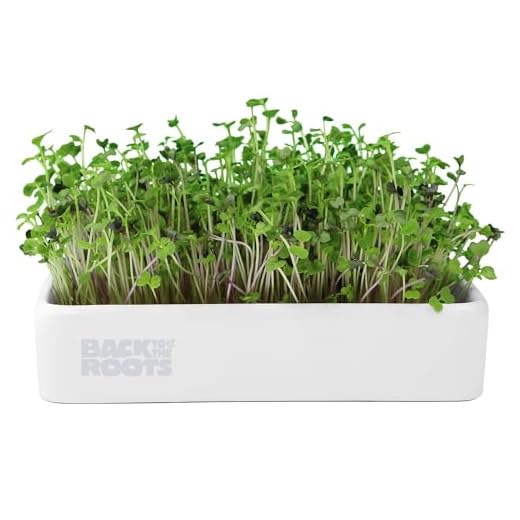
Back to the Roots Microgreens Ceramic Kit
You’ll get a beautiful ceramic planter and organic seeds that sprout quickly into nutrient-dense microgreens. It’s low-effort and perfect for adding instant flavor and nutrition to meals.
Why microgreens
Microgreens deliver a concentrated flavor and nutrition boost with minimal space and time. This kit packages organic seeds with a ceramic planter and a germination lid so you can grow quick baby greens right on your counter.
What’s included and how it works
Everyday benefits and uses
You’ll be snipping fresh microgreens onto eggs, sandwiches, salads, and smoothies within days. Many users keep two pots in rotation so one is always ready while the other is growing, making this a convenient way to add freshness to meals.
Downsides and practical tips
Because the kit produces a small amount at a time, you’ll either need to plant frequently or expand to multiple planters to keep a steady supply. Trim with scissors and rotate plantings every 1–2 weeks for a continuous harvest.
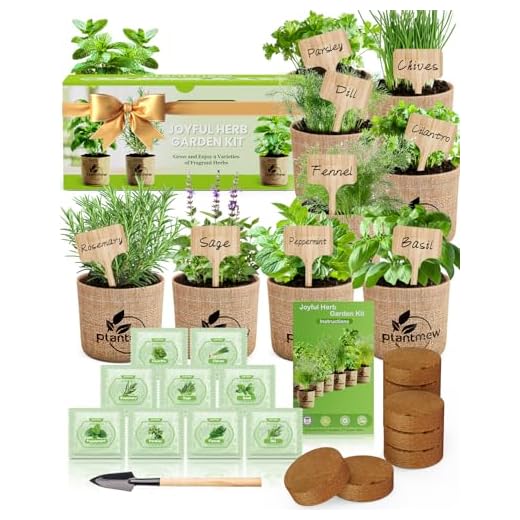
9-Herb Indoor Windowsill Starter Kit
You get a complete, low-friction herb garden that’s perfect for a windowsill or countertop. It’s designed so you can start planting the same day and see results quickly, making it ideal for first-time growers and gift-giving.
What this kit is for
This all-in-one 9-herb starter kit is aimed at people who want fresh culinary herbs without a lot of setup. You’ll find seed packs for common kitchen favorites, small biodegradable pots, soil discs, plant markers, and a basic tool set—everything to get seedlings started on your windowsill.
Key features and what you’ll notice
Benefits and real-world use
You’ll enjoy having fresh basil, thyme, rosemary, and co. within reach while cooking. The kit is especially good if you want to teach kids to garden, or if you’re looking for a low-cost, low-commitment way to start growing. Reviewers report fast germination and steady, usable harvests for recipes.
Limitations and tips
The pots are intentionally small, so plan to harvest frequently or transplant herbs into larger containers if you want long-term plants. Also, give the kit bright, indirect sunlight and consistent moisture to avoid slow sprouting. If you want continuous harvests, stagger seedings or buy extra seed packs.
Ahopegarden 10-Pod Hydroponic System
You’ll find this 10‑pod system easy to use and quiet in operation, making it a great choice for kitchens and bedrooms. It’s built for beginners who want more planting space than smaller units provide.
Who this is for
If you want more planting slots without a big footprint, this 10‑pod hydroponic system balances capacity and simplicity. It’s aimed at hobbyists who want to grow multiple lettuces, herbs, or small tomatoes indoors on a regular schedule.
Notable features
Practical tips and benefits
You’ll be able to plan staggered sowings so you always have fresh greens. The included sponge pods and covers simplify germination, but expect to clean the reservoir periodically; reviewers mention salt buildup and occasional mold if upkeep is neglected.
Limitations to consider
The built-in timer runs a set cycle and can reset after power outages, so you’ll need to be mindful if your area has frequent outages. Also, if you want precise, app-based control of light schedules you’ll need a different smart model.
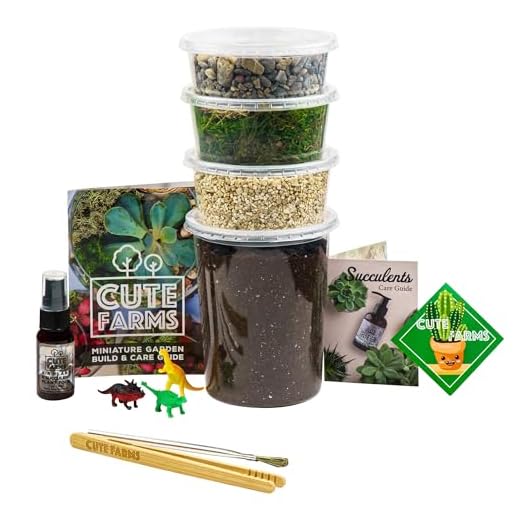
Cute Farms Large Terrarium Starter Kit
You’ll get all the materials and guides needed to build a charming terrarium, making it a satisfying craft-and-garden project for adults and kids. It’s more about design and enjoyment than long-term planting ease.
What the kit offers
This terrarium starter kit bundles the non-living building blocks: soil, vermiculite, pebbles, preserved moss, plant food, tools, and decorative bits. It’s meant to jump-start a creative build—you bring small succulents or air plants to finish the project.
Why people enjoy it
Practical tips and use cases
You’ll enjoy constructing a contained ecosystem that becomes an attractive focal point on a shelf or table. If you add live succulents, keep the container well-draining and avoid overwatering. For closed terrariums, choose moisture-loving plants like ferns and moss.
Limitations
The kit requires you to add live plants separately, so it’s not a complete living garden out of the box. Also, preserved moss is decorative but won’t grow—plan accordingly if you want a living, self-sustaining terrarium.
HOME GROWN 5-Herb Starter Kit
You’ll appreciate the thoughtfully curated five-herb selection and clear grow guide, which make this a dependable starter set for the kitchen. It’s reliable for most users, though germination can vary with care and conditions.
Who should buy this
This 5-herb kit is designed for people who want a compact, straightforward way to grow culinary herbs indoors. It’s an easy gift for cooks and a practical first step for anyone who wants fresh herbs without a complex system.
Kit highlights
Everyday use and expectations
You’ll likely see seed sprouting within a week if you give the kit bright light and steady moisture. It’s excellent for seasoning meals and learning basic plant care. Some users recommend staggered plantings so you can harvest without running out.
Caveats and tips
Germination can be inconsistent—follow the included guide closely and consider sourcing replacement seeds if a pack fails. If you want continuous, larger-volume harvests, upgrade to a bigger hydroponic or soil system down the line.
Final Thoughts
Pick the Back to the Roots Mini Mushroom Kit if you want the fastest, most rewarding edible payoff. Strengths: gourmet oyster mushrooms in days, super beginner-friendly, and perfect for a countertop project that doubles as a conversation piece. Ideal use: cooks who want fresh mushrooms fast, parents doing a science-y activity with kids, or anyone who loves instant edible results. Tip: keep it clean and mist as directed for best yields.
Choose the LETPOT App-Controlled 10-Pod Smart Planter if you want a versatile, low-hassle system you can manage from your phone. Strengths: Wi‑Fi app control, quiet operation, reliable notifications, and good capacity for herbs and small greens. Ideal use: busy or tech-minded cooks who want continuous herb supply and remote monitoring. Tip: set it up on your kitchen counter, connect the app, and let the alerts remind you when to top up water or nutrients.

I bought the Cute Farms terrarium kit for a weekend craft project with my niece. The instructions were clear and the end result looked adorable on the shelf.
That said, if you’re expecting a low-maintenance plant habitat you might be disappointed — it’s more of a DIY decorative piece than a “set it and forget it” garden.
The moss was finicky in my apartment’s dry air and needed regular misting. If you’re buying this as a kid-friendly project, it’s perfect. For real long-term plants, I’d choose the herb kits instead.
Thanks for the honest take, Sophie — that’s exactly the distinction we tried to highlight. Terrariums are great for crafting and display but do need some attention (especially moss). For steady edible yields, the hydroponic or herb kits are better choices.
Agree — I turned my terrarium into more of a seasonal decor piece. If you want low-maintenance succulents instead of moss, make sure the kit’s drainage and light conditions match succulents’ needs.
Bought the HOME GROWN 5 herb kit for my partner’s birthday and it was a hit. Nice starter set, clean packaging, and the basil popped up fast.
Perfect gift for someone who cooks but doesn’t want a full backyard. 👍
Glad to hear it worked well as a gift! Those compact herb kits are super popular because they lower the friction for people to actually use fresh herbs.
I gifted the 9 Herb Indoor Garden kit last Christmas — recipient loved having a windowsill ‘spice rack’. Both kits are great depending on how many varieties you want.
I bought the Back to the Roots mushroom kit last month and wow — it’s so fun to watch!
I harvested oysters in about 12 days (I know the article said 10, but my apartment is kinda dry).
A couple tips from my experience: keep a spray bottle handy for humidity, and wear gloves when you’re fiddling with the block — it can be messy.
Also tried the microgreens ceramic planter after reading this roundup and they were ready in a week. Great for salads.
Would love to know if anyone has had luck storing extra mushrooms — fridge? freezer? any recipes?
PS: I may have overwatered once and had a funky smell, so cleanliness is def important 🙂
If you like recipes: oyster mushrooms are awesome in a quick garlic butter pasta. Super simple and better than store-bought ones imo.
Thanks for sharing, Claire — great details! For storing: short term, refrigerate in a paper bag (keeps them from getting soggy). For longer storage, gently sauté and freeze in portions or dry them. And yes, humidity control + cleanliness are the usual keys to avoiding smells.
I usually slice and freeze mushrooms on a tray, then bag them. Works fine for 3-4 months. Also agree about the spray bottle — misting twice a day saved my second flush.
Great roundup. Quick question — how different is the LETPOT LPH-Air (WiFi, app-controlled) from the other hydroponic kits like the Ahopegarden or the generic hydroponic growing system?
Is the app feature actually useful or just a gimmick? Also curious about noise levels and how annoying the pump can be in a small kitchen.
I have the LETPOT and the app actually saved me once when the water level dropped — got a notification and refilled before plants stressed. The pump is barely audible in my kitchen, but YMMV.
One more note: app features can be helpful for tracking growth, but they add complexity. If you want a plug-and-play countertop solution, pick the non-WiFi hydroponic kit with a decent automatic timer/pump.
Good question. The LETPOT stands out for remote monitoring and notifications (water level, light schedule) — useful if you travel or like automations. The basic hydroponic kits are often quieter and simpler, with fewer app features. Pump noise varies by model; look for ‘quiet pump’ in the listing and check user reviews for decibel complaints.
If you don’t care about remote control, I’d pick the simpler system — fewer things that can fail. The 10-pod units (like Ahopegarden) are nice if you want more variety of herbs.
So the article tempted me with mushrooms and now I’m terrified of becoming a mushroom farmer in my shoebox apartment 😂
Seriously though, is there a risk of spores going everywhere? Or will my cat suddenly become gourmet oyster mushroom connoisseur?
Also, for anyone juggling a full-time job — are the hydroponic systems truly “set and forget” or do they need daily babysitting?
I want fresh herbs but I also want to sleep and occasionally leave town without a plant crisis.
Any real-life horror stories or success tales? TIA! 🙈
I left my hydroponic herb kit for 10 days once — came back to slightly sad plants but nothing dead. If you travel more than a week, ask a neighbor to top off the water. Also, misters and humidity trays help for mushrooms.
Funny but true: started with the mushroom kit and within two flushes I felt like a corner deli owner. Short answer — doable in an apartment as long as you’re tidy. Pump noise? Minimal for most newer hydro units.
Pro tip: put a cheap humidity dome or clear container over mushroom kit when fruiting to keep humidity up. Not foolproof, but helps a lot. 🙂
Ha — no cat sommeliers yet (that I know of). Mushrooms do release spores but in a normal countertop kit they’re mostly contained; keep the kit in a well-ventilated spot and be mindful of cleanliness. Hydroponic systems with timers and water reservoirs can be pretty close to ‘set-and-forget’ for a week or two, but it’s wise to check water levels and pests before longer trips.
My cat loved to sniff the microgreens but never ate them (weird cat). If you’re worried about spores, place kits on a shelf out of paw reach. I find microgreens the least demanding — just keep them moist and they pop fast.