
Can you grow dinner in your socks? (Spoiler: yes — and it’s easier than you think.)
You can grow a salad on your kitchen counter. No yard? No problem. Small space, big flavor — that’s the magic of indoor hydroponics.
Hydroponic systems give FAST growth and steady harvests with less mess. They save space, cut grocery trips, and let you experiment with herbs and greens year‑round.
Our Top Picks
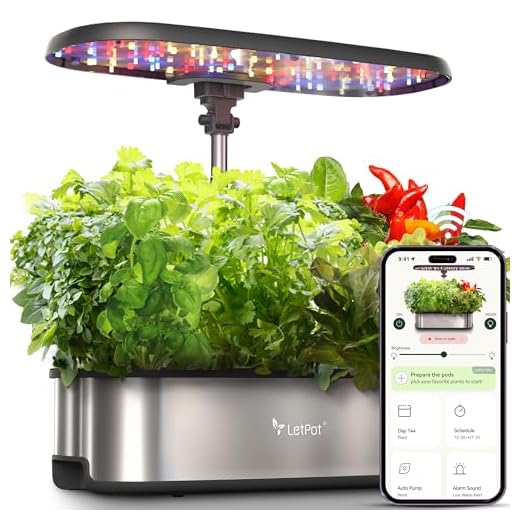
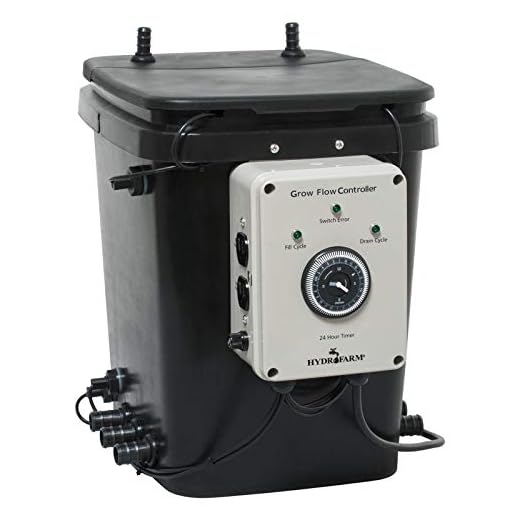
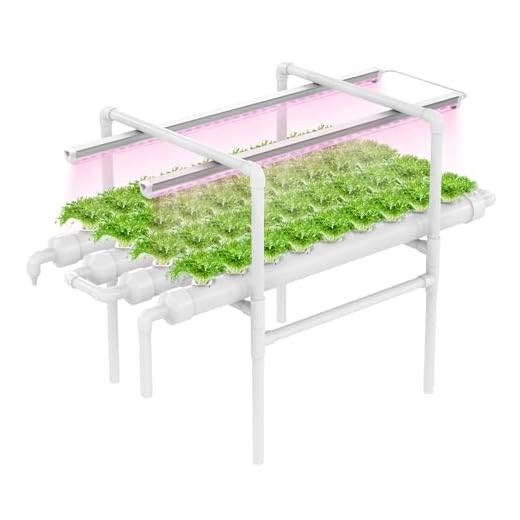


12‑Pod WiFi Smart Hydroponic System
A polished, app‑enabled system that brings precise control to your countertop garden. The larger reservoir and taller light mast give you more flexibility for a wider range of plants.
Why you might choose this system
If you want more control and fewer compromises, this 12‑pod model brings smart features to indoor gardening. The LetPot’s app lets you set lighting schedules precisely and monitor your garden without being next to it. That combination of size and connectivity makes it great for growers who want to tinker and optimize conditions.
Standout features
The larger tank and pod count mean you can grow fuller salads or more herb variety. App control also allows light synchronization across multiple units if you buy more than one.
Practical considerations
The system is more advanced, so it’s best for people who want to invest a bit more upfront for convenience and scale. A few users suggested improvements like a larger water fill opening and a dedicated spot to log pH/EC readings in the app — useful if you want to track nutrient regimens.
Real user insight
Reviewers who migrated from other well‑known brands praised the LetPot for build quality and value. If you value automation and plan to grow a variety of herbs and leafy greens, this model gives you a lot of flexibility and consistent results.
Electric Ebb & Flow Controller Unit
A thoughtful, expandable ebb & flow controller that simplifies DIY and modular systems. Its fail‑safe overflow protection and included pumps make it a safe, reliable backbone for larger home setups.
Why choose an ebb & flow controller
Ebb & flow (aka flood and drain) systems let you cycle nutrient solution to plant roots periodically, which is very water‑efficient and flexible for many media types. This Active Aqua controller unit is designed to be the heart of that setup, controlling pumps and safety features so you don’t have to micro‑manage cycles.
Highlights and safety features
The overflow protection is a standout — if a float valve fails the system alerts you and automatically shuts down to avoid spills. For anyone building a system that will run unattended for periods, that safety net is valuable.
Practical limitations and setup notes
While the electronics and plumbing are well thought out, the controller bucket is noted by some users as feeling a bit thin — handle carefully during installation. You’ll also need basic plumbing skills to link multiple growing modules and may want to source additional buckets or expansion kits to scale the system.
Best application
This is a good controller if you plan to manage many modules or build a semi‑automated home farm. Users praised its ease of assembly and operation, making it a solid choice for growers ready to graduate from small countertop systems to a more robust ebb & flow solution.
36‑Site NFT Hydroponic Growing Kit
A 36‑site NFT kit that scales beyond countertop hobbyists — ideal if you want a significant continuous harvest of leafy greens. The full‑spectrum lights and modular design make it productive for a home or small hobby greenhouse.
Who this system is for
This NFT (nutrient film technique) style kit is geared toward hobbyists who want to move beyond a few pots and into continuous production. With 36 plant sites and full‑spectrum lighting, you can run staggered plantings and harvest lettuce, basil, and other quick‑growing greens regularly.
Notable features and benefits
The system is designed for quick assembly and classroom or family projects, where the large number of sites becomes an educational, fun way to learn about continuous cropping. The full‑spectrum lights give plants the broad light they need for healthy growth.
Practical limitations
This setup needs a dedicated area — a bench, balcony, or small greenhouse — and you should be comfortable routing tubing and mounting lights. While the kit simplifies a lot of the work, expect to invest more time in initial setup and periodic maintenance than a countertop unit.
How to get the most from it
Stagger plantings (for example, seed new rows every 1–2 weeks) to maintain a steady supply of salad greens. The ease of assembly many users report makes this a sensible choice if you want more production without fully custom building an NFT system.
8‑Bucket Deep Water Culture System
A robust DWC system built for heavier production of leafy vegetables and herbs. The large 5‑gallon buckets and strong aeration make it a real step up if you want bigger root zones and faster growth.
What makes DWC different
Deep Water Culture systems immerse roots in oxygenated nutrient solution, which speeds growth and builds vigorous root systems. This 8‑bucket kit brings that approach to a small home or garage setup, offering larger grow volumes per plant compared with countertop pods.
Key specs and benefits
The included aeration setup gives plants strong oxygenation that many growers prefer for quick leafy yields. The design also includes pragmatic touches like sealing rings to minimize leaks and a visible water device to simplify maintenance.
Considerations and tips
Expect to dedicate bench or tent space. The pump and aeration system are effective but can generate noticeable noise; if you need a whisper‑quiet setup you may opt for an external quieter pump or move the equipment away from living areas. Users have reported adding a bit more tubing to fit their grow tents — plan for that in your shopping list.
Best uses
Use this if you want to grow larger lettuces, herbs, or even small fruiting plants that benefit from a deeper root environment. It’s a great step from countertop kits toward more productive home hydroponics.
8‑Pod Smart Indoor Herb Garden
A compact, affordable system that gets you growing quickly with minimal fuss. It balances ease of use with performance — ideal if you want fresh herbs on a countertop without a steep learning curve.
What this unit does for you
This 8‑pod hydroponic planter is aimed at people who want a low-effort way to grow fresh herbs and small greens indoors. You get an LED grow light, an automatic pump/timer, and a compact reservoir that’s sized for countertop use. If you want to try hydroponics without committing lots of space or money, this is a practical entry point.
Key features and benefits
These features mean you’ll spend less time guessing and more time harvesting. The quiet pump makes it suitable for bedrooms and apartments, and the included accessories let you start from seed quickly.
Limitations and practical tips
The compact size is both a strength and a limitation: it’s perfect for herbs but not for larger fruiting plants like full‑size tomatoes. Expect to refill water weekly as plants grow and transpire more. A few users mentioned the plastic feel — it’s durable enough for casual use but don’t expect heavy professional finishes.
Real‑world use
If you’re just getting started, use it for basil, parsley, cilantro, and small lettuces. One buyer wrote that the unit was “a great gift” and that plants grew fast; others praised customer support for resolving a rare leak. Treat it as a simple, reliable way to keep fresh greens on hand with little daily maintenance.
50‑Piece Grow Sponges & Pod Kit
A budget‑friendly bag of replacement sponges and pod labels that work with many common countertop systems. Great for keeping staggered plantings going without breaking the bank.
Why replacement pods matter
If you run a hydroponic unit you’ll replant often — having a 50‑pack of sponges means you can stagger plantings and reduce downtime. These sponges are breathable, expand well, and are compatible with many popular countertop gardens, making them handy to keep around.
What’s included and what it’s good for
Growers reported fast germination times and excellent sponge expansion compared with cheaper alternatives. Users who tried several brands found these sponges superior for root penetration and early growth.
Limitations and tips
Because pod shapes and rim dimensions vary between brands, double‑check compatibility with your specific system before buying a large supply. Also remember these are consumables: you’ll still need seeds and nutrient solution. For repeated reuse, some growers transfer sponges to sturdier pod casings after germination.
Practical use
Keep a pack on hand if you like to rotate plantings. They’re especially useful for teachers, hobbyists, or anyone who wants to run continuous cycles without waiting for used pods to dry and be cleaned.
10‑Pod Countertop Hydroponic Planter
A no‑frills 10‑pod system that’s easy to set up and surprisingly capable for its price. It’s especially good if you want a larger pod count on a small counter without complex controls.
Overview
This 10‑pod hydroponic planter gives you a bigger planting surface while keeping the overall footprint compact. It pairs a water reservoir with an overhead LED array and a circulation pump, making it easy to grow multiple herbs and small veggies side‑by‑side.
What you get and why it helps
The extra pod count means you can stagger plantings for near‑continuous harvests — for example, plant half your lettuces now and half when you start harvesting so you always have fresh greens.
Drawbacks and tips
A common note is the non‑adjustable light/timer behavior: after a power interruption the cycle can reset to the default timing, so if you live somewhere with frequent outages you’ll want to monitor the first few days. Also, keep an eye on humidity and clean seed pods if you see mold forming.
Use case suggestions
This is a good pick if you’re transitioning from window‑sill herbs to a more consistent indoor garden. Users who bought one often bought a second for staggered production — a sign it’s great for small, continuous yields.
10‑Pod White Countertop Hydroponics Kit
A practical, approachable 10‑pod kit that’s especially useful for first‑time indoor gardeners. It’s simple to maintain and includes useful starter accessories to help you begin growing quickly.
A good first hydroponic kit
This white 10‑pod unit mirrors many of the strengths of other countertop systems: easy setup, quiet operation, and enough pod space to support a family’s fresh herb needs. If you want something that looks at home on a kitchen counter and reliably produces basil, lettuce, and chives, this is a straightforward choice.
What’s included and how it helps
Those accessories mean you can go from unboxing to planting without hunting down extras. The system’s quiet pump has been a repeated compliment among owners, which makes it a low‑stress addition to living spaces.
Watchouts and practical tips
Because the unit uses an automatic timer, a power outage can reset the light cycle. If your area has unstable power, plan resets or use a small UPS. Also, if you plan to grow taller or fruiting plants, consider a taller model — this unit shines for herbs and quick‑harvest greens.
Who should buy this
Pick this if you want a reliable, budget‑friendly planter for everyday herbs and small lettuces. It’s especially well‑suited to people who are new to hydroponics and want an uncomplicated experience.
Final Thoughts
If you want the smartest, most flexible countertop setup, go with the 12‑Pod WiFi Smart Hydroponic System. It’s our top pick for tech‑savvy home growers because the app control, larger reservoir, and taller light mast give you precise control and room to try a wider variety of plants. Ideal use case: you want convenience, remote monitoring, and the ability to grow herbs, lettuces, and medium‑height plants on your counter.
If your goal is consistent, higher‑volume leafy greens and a more productive home harvest, choose the 36‑Site NFT Hydroponic Growing Kit. Its modular NFT design and full‑spectrum lights are built for continuous harvests and scaling up beyond a hobbyist tray. Ideal use case: you want a small hobby greenhouse or dedicated indoor space that produces steady salads and bunches of greens.

Fun fact: I tried a mix of tiny countertop kits around the house and a small DPROOTS NFT in the garage. The countertop kits won for convenience (and my partner steals herbs every morning), but the NFT made the best microgreen trays. Balance is key 😂
Exactly. I now hide the best swiss chard in the garage NFT lol.
Haha same — partner behavior is a strong design consideration for kitchen gardens!
Balance indeed. Many people use a mix: a tech countertop for quick access herbs and a larger system for bulk greens.
Long post because I had a lot of trial & error and want to save someone time:
I started with a cheap 10‑pod countertop unit (similar to the Ahopegarden 10 pods) and it was great for herbs. Then I moved to a VEVOR DWC setup for bigger leafy greens. Huge difference — lettuce grew faster and larger in the DWC.
That said, if you want a clean kitchen option and low maintenance, the smaller LED countertop kits are awesome. If you want volume, go DWC or NFT.
Also — buy extra sponge pods (like the Ahopegarden 50pcs) before you run out. Lesson learned the hard way 😅
Great breakdown — exactly the pathway many users take. The DPROOTS 36‑site NFT sits in that middle ground if you want more continuous harvest without full DIY plumbing.
Thanks for the details! The tip about extra sponges is gold. Where did you get replacements that fit well?
Curious — how often did you have to change nutrient solution in the DWC? I heard it’s more maintenance.
Every 7–10 days for me, depending on how big the plants got and how warm it was.
I ordered Ahopegarden sponges from Amazon and they fit my countertop unit surprisingly well. Some trimming required but nothing major.
I’ve been eyeing the LetPot LPH-SE for a while — the app control and taller light mast seem perfect for my basil obsession. Has anyone used the app reliably? I’m a bit tech-wary but the idea of scheduling lights and water from my phone is tempting.
The app has been solid in my experience. It lets you set timers and monitor reservoir levels. A tip: update firmware and connect to 2.4GHz Wi‑Fi if you have a dual-band router.
I use it daily. It can be finicky during initial setup but once paired it’s fine. Worth it for the convenience.
FYI some people reported the app draining phone battery because of background location — check app permissions after install.
Anyone had issues with LED intensity on the cheaper 10‑pod kits? My seedlings got leggy under the light, not sure if it’s height or weak LEDs.
I had that too. I added an extra LED panel and it fixed the problem.
Legginess usually means insufficient light intensity or the light being too far away. Try lowering the light or increasing daily light hours slightly. Also check that the spectrum includes enough blue light for seedlings.
Okay this is a little nerdy but: anyone run nutrients differently between NFT and DWC? I feel like the EC drifts faster in DWC and I’m paranoid about pH swings.
I check pH every 2–3 days in DWC. A small pH stabilizer helps if you get sudden swings.
Also temperature control matters. Warm water = more pH fluctuation. Keep reservoir cool.
Great tips, thanks! I’ll try smaller, more frequent water top‑offs.
Good observation — DWC can show more rapid EC/pH shifts due to larger root mass and oxygenation. Frequent small changes help: top off with plain water daily and do partial nutrient changes weekly.
Been running a VEVOR DWC for outdoor leafy greens and honestly, aeration matters more than I thought. Swapped in a stronger air pump and root health improved overnight. If you’re doing heavier production, don’t skimp on aeration.
Good advice. Strong, consistent aeration reduces root disease and speeds uptake. Check your air stone condition regularly — they clog.
I went from a small 1.8 W unit to a 4‑outlet 20W pump. Night and day difference.
Mine is outside in a shed so noise wasn’t an issue. For apartments look for low‑dB models or mount the pump on foam.
Is noise a problem with the bigger pump? I live in a small apartment.
What size air pump did you upgrade to? I’m considering an upgrade for my 8 bucket setup.
I find the LetPot’s 5.5L tank super helpful when I travel for long weekends. Not perfect but much better than my old 1L unit. On the flip side, the app notifications can be annoying — wish there was a quiet mode.
Anyone compared the Active Aqua ebb & flow controller to a DIY timer setup? I’m thinking of scaling up for microgreens but not sure if the extra cost is worth it.
Short and sweet: DPROOTS NFT kit = workhorse for salads. If you love greens, this is the one. If you want just herbs on a windowsill, save your money and get a countertop kit.
I bought the budget Ahopegarden 10 pod unit as a gift and it was delightful — straightforward setup and my mom was able to maintain it easily. For the price it’s hard to complain.
That’s exactly the use case we had in mind for those kits — gifting to someone who wants fresh herbs without the tech complexity.
I’m torn between the LetPot and the Hydroponics Growing System Indoor Garden (the basic starter kit). I want something low fuss but with decent yield for herbs. Any practical pros/cons?
LetPot gives more control and bigger reservoir; good if you want automation and app features. The basic starter kit is cheaper and simpler — great if you want plug-and-play and fewer settings to manage.
Quick question: does the Active Aqua unit need any special overflow setup if I use it in a basement? Concerned about leaks and humidity.
I had a small overflow once — changed pump timing and added a secondary overflow line, which solved it. Better safe than sorry.
The Active Aqua has fail‑safe overflow protection, but I’d still recommend a dedicated tray under the unit and a humidity monitor for basements. A condensate drain or dehumidifier helps prevent dampness.
I love that the roundup included Ahopegarden replacement pods. Small, affordable things like sponges keep my staggered plantings going. Pro tip: label them with the included labels, or you’ll forget which row is cilantro vs parsley 😂
Noted. I somehow always mix up basil and oregano. Now labeling is on my shopping list.
Yes — date + plant name. Saved my sanity.
I also write the date planted on the label. Helps track harvest cycles.
Totally — labels are underrated. Staggered plantings are the easiest way to keep fresh herbs all season.