
Want salad on demand? These towers do the heavy lifting (and they don’t complain).
Grow a salad in your living room — no dirt required. Imagine you snipping fresh basil while your coffee brews. It feels a little like magic.
Hydroponic towers give you big harvests from tiny spaces. They cut the mess, speed up growth, and make year‑round freshness actually doable for you.
Top Picks

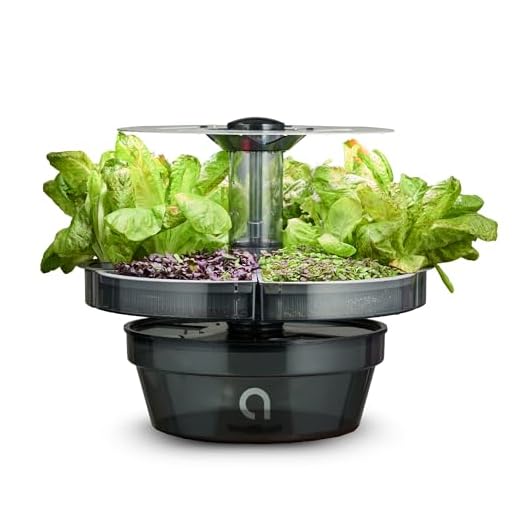
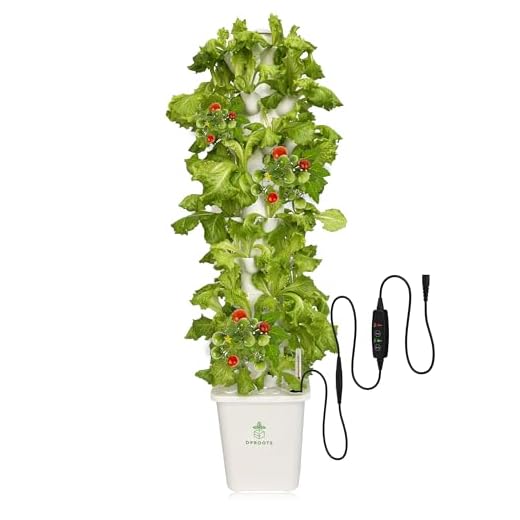


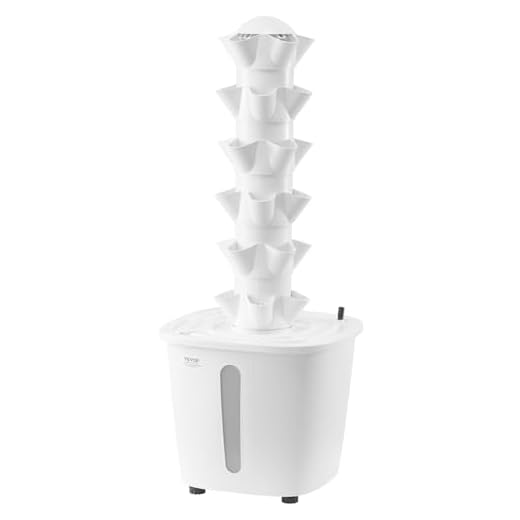


Gardyn Studio 2 Smart Hydroponic Tower
This is a polished, set‑and‑forget system that combines AI features, good build quality and a strong app experience for most users. It costs more than basic towers but the hands‑off convenience and reliability justify the premium for many home growers.
Why the Gardyn Studio 2 stands out
Gardyn Studio 2 is aimed at people who want a refined, low‑maintenance home growing experience. It grows up to 16 plants in a small footprint and pairs attractive hardware with software that automates lighting and watering schedules.
Smart features and user benefits
The system uses an AI assistant (Kelby) and app integration to manage basic plant care and give you tips. Setup is straightforward with QR‑linked videos and the unit is designed to look good in living spaces while being functional.
What to know before buying
You pay extra for the integrated software and convenience. The app is helpful but some users find it could be more tailored to specific plant needs — currently it offers general guidance more than hyper‑specific alerts. If you want a mostly hands‑off system and value reliability, this tower is one of the best consumer options.
AQUATREE ATL1 Tabletop Hydroponic Garden
This tabletop unit feels well thought‑out and uses food‑grade materials, making it an attractive option for kitchen use. It includes useful extras — starter kit, plant food and LED light — so you can get growing fast with minimal setup fuss.
Why pick the Aquatree ATL1
The AQUATREE ATL1 is designed for people who want a polished, kitchen‑friendly hydroponic experience. It’s a tabletop system built with food‑grade materials and thoughtful accessories, so it’s especially good for microgreens and small leafy crops.
Useful features and included extras
Unlike many towers that focus only on structure, this kit frequently includes a seed starter kit, plant food, grow plugs and adjustable full‑spectrum LEDs that are sized for a countertop. The smart little footprint lets you grow up to about 25 plants depending on spacing.
Practical considerations
Expect a higher upfront cost because this unit emphasizes material quality and convenience. If your goal is maximum yield per square foot, a tall 30–45 pod tower will ultimately offer more capacity — but the Aquatree balances size, aesthetics and ease of use very well for kitchen growers.
DPROOTS 45‑Pod Vertical Hydroponic Tower
This tall 45‑pod tower gives you a farm‑style yield from a tiny footprint — ideal if you want lots of lettuce, herbs or sequential planting. It’s affordable and light, but you'll need to add lighting and manage larger root systems carefully.
Who will like this tower
If you want to grow a lot of greens without giving up floor space, the DPROOTS 45‑pod tower is a solid choice. It’s particularly useful for families or anyone who wants a continuous harvest of lettuce and herbs.
Strengths and practical setup advice
Because it packs many pods vertically, the tower is space‑efficient and inexpensive for its capacity. Users report easy assembly and good performance when paired with supplemental grow lights for indoor use. Be mindful of root growth: avoid planting very rooty species at the bottom tiers to protect the pump.
Limitations and real‑world tips
You won't get integrated LEDs or advanced automation — plan to buy lights and nutrient solutions separately. Pumps may wear over time with heavy use, so keep spare pumps or replacement parts in mind if you plan continuous, year‑round growing.
DPROOTS 30‑Pod Vertical Hydroponic Tower
This 30‑pod DPROOTS tower is a dependable choice if you want a balance between capacity and footprint. It's affordable, easy to set up and works well with supplemental lights, though it doesn't include advanced automation.
Overview and intended use
The DPROOTS 30‑pod tower delivers a good middle ground: more capacity than compact towers without the height (and occasional instability) of the 45‑pod models. It performs well for leafy greens, herbs and medium‑sized vegetables when paired with proper lighting.
Strengths and day‑to‑day operation
Users praise the simple assembly and reliable performance. The tower is a favorite for people who want a stable, no‑frills hydroponic system that doesn’t require subscriptions or proprietary consumables.
Practical limitations and tips
Because this model doesn’t include lights, you’ll need to add LED grow lights for indoor operation in low‑light rooms. Keep an eye on curious pets — some buyers reported animals sampling tender greens — and position the tower where it’s safe from paws and knocks. Regular pump maintenance and occasional replacement parts will extend system life.
32‑Pod LED Hydroponic Tower System
This all‑in‑one tower is built for a bigger indoor harvest and includes adjustable pump and LED lighting that make year‑round growing realistic. Packaging and instructions can be hit-or-miss, so plan for a little extra assembly patience.
Who should consider this tower
If you want a larger indoor hydroponic system with integrated lighting, this 32‑pod tower is aimed at hobby growers who want to scale up beyond small herb units. The included LEDs let you run it in a lower‑light room without buying separate lights.
Notable features and benefits
The pump has adjustable flow and the light strips offer multiple timer options so you can tune cycles for seedlings, leafy greens or fruiting plants. The kit often includes helpful extras like a tray for tools and a small PPM reader depending on the seller.
Real‑world tips and limitations
Assembly instructions aren't the clearest in some packages; expect about 45–90 minutes to assemble and test. Inspect the lights on arrival and keep receipts or photo evidence in case of shipping damage. You'll also need to supply nutrients and a pH test kit — the tower provides the hardware but not all consumables.
VEVOR 30‑Pod 6‑Tier Hydroponic Tower
You get a surprisingly complete package for the price — pump, timer, net cups and a visible water window make it easy to use. Build quality is basic but acceptable for beginners and apartment growers who want value over bells and whistles.
What this tower is and who it's for
The VEVOR 30‑pod 6‑tier hydroponic tower is a value-focused vertical garden meant for beginners and space-conscious growers. It squeezes 30 planting pods into a footprint that fits on a balcony, kitchen corner, or small apartment without taking up much floor space.
Key features and practical benefits
This tower ships with the essentials you need to get started — a water pump, a timer, net cups, grow media accessories and a small collapsible funnel to help with refills. The base has a visible water window so you can tell when to top off the reservoir.
What to expect in everyday use
You can grow herbs, lettuce, strawberries and other small vegetables successfully if you match plant size to the tier and check nutrient levels regularly. Assembly is straightforward and most users report quick setup.
Limitations and tips
Material quality is basic — expect light, thin plastic that works but won't feel premium. The refill opening is smaller than ideal, so use the provided funnel or a larger funnel you already own. Also, the kit doesn't include nutrient solution or pH supplies, so you'll need to add those yourself for reliable, repeatable results.
chicify 20‑Plant Compact Hydroponic Tower
This compact 20‑pod tower is ideal if you want a modest indoor garden with minimal space. Quality control is inconsistent — some buyers report cracked parts or drying grow sponges — so inspect on arrival and expect some trial-and-error.
Where this tower fits in your kitchen
The chicify 20‑plant tower is aimed at users who want a small-scale hydroponic setup for herbs and small greens. It’s easy to relocate and consumes very little space — a good pick for renters or dorm rooms.
What you get and how to use it
Assembly is usually straightforward and the unit comes with basic watering automation. It’s best used for shallow‑rooted plants like basil, lettuce and microgreens. If you plan to run lights or grow heavier plants, consider adding extra support and monitoring the sponges closely.
Caveats from user experiences
Some customers report cracked pieces on arrival or poor fitment between parts; check the unit immediately and photograph any damage for return. A few growers found the grow sponges dry out between cycles — this requires careful timer settings or occasional hand‑watering until you dial in the schedule.
KUCKGO 30‑Pod 6‑Layer Grow Tower
This tower technically delivers on core hydroponic features at a low cost, but build quality and pump noise are common issues. It can work if you're handy and willing to troubleshoot, but beginners may find some frustrations.
Where this unit stands
The KUCKGO vertical hydroponic tower is positioned as an affordable, multi‑scene solution for indoor or outdoor use. It fits into corners well and offers 30 pods across 6 layers to increase yield in a small footprint.
Features you actually get
It ships with a water pump, a plug‑in timer, and a water level gauge — the basics for a functioning recirculating system. The design is lightweight and meant to be easy to move and place.
Practical notes and limitations
Several users report that the bottom tank is thin and that the lid or tray fit can be finicky. The included timer is a simple plug timer — functional but basic — and the tower tends to splash if many pod openings are empty. For best results, keep most openings filled and be prepared to replace the pump or reinforce the base if you plan continuous heavy use.
Final Thoughts
Best overall — Gardyn Studio 2 Smart Hydroponic Tower
Choose the Gardyn Studio 2 if you want the most hassle‑free experience. Its AI features, solid build and polished app make it a true set‑and‑forget system. If you want reliable, automated growing (leafy greens, herbs and steady yields) with minimal babysitting, this is the one to buy — it costs more, but the convenience and consistency justify the premium.
Best for kitchen & microgreens — AQUATREE ATL1 Tabletop Hydroponic Garden
Pick the AQUATREE ATL1 when you need a premium countertop solution for quick microgreens and small herbs. It’s compact, uses food‑grade parts, and comes with an LED, starter kit and plant food so you can get growing fast. If you cook a lot and want ultra‑fresh garnishes within arm’s reach, this is your countertop champion.

I have that ‘Hydroponic Growing System Kit with LED Grow Lights (32 pods)’ and it’s been solid. The lights included are decent for seedlings to small veggies.
Packaging was a bit chaotic and I had to re-read the assembly steps twice. But once assembled, it performed well. Would recommend if you want a mid-size setup without spending too much.
Would you recommend that kit over the VEVOR for beginners?
I didn’t get spare parts, Olivia. I bought a small pack of net cups and a cheap extra pump as backups — worth it for peace of mind.
Packaging worries me — do they send spare parts often or should I expect to buy extras (extra net cups, etc.)?
Same — extra net cups are a tiny expense that saves stress.
Good to hear it held up, Emily. Did you find the pump settings (adjustable) useful for different plant stages?
Curious if anyone has successfully grown strawberries in the Vertical Hydroponic Tower Garden System (6 layer, 30 pods, black base). I’m thinking of trying them but worried about pollination and fruiting indoors.
Would I need to hand-pollinate? Any tips for supporting the heavier fruit on vines in these towers?
You can grow strawberries, yes, but they’re picky. Hand pollination with a soft brush or gently shaking flowers helps indoors. Also support heavy fruit with small ties or nets so they don’t pull out of the cups.
Strawberries do fine but expect lower yields indoors without pollinators. Try alpine varieties for better indoor performance and use a small oscillating fan to mimic airflow/pollination.
Also watch root crowding in multi-layer towers — strawberries can have bigger roots than herbs.
Alpine strawberries are my go-to for balconies and compact towers — less drama and delicious.
I’m completely new to hydroponics and a little overwhelmed by the options. What would you recommend for someone who wants an easy entry point and reliable results? Gardyn seems great but expensive. VEVOR seems cheap but possibly noisy. Any beginner-friendly favorites?
And read the return policy. If something’s off, a good seller will replace it fast, which is great when you’re learning.
Start small — a countertop unit like AQUATREE ATL1 for microgreens/herbs is low-risk and builds confidence.
For beginners, prioritize ease-of-use and support. Gardyn Studio 2 is pricier but very beginner-friendly with good app support. If budget matters, VEVOR or the all-in-one 32-pod kit with lights are decent — just plan for minor tinkering and add a quiet pump if noise is an issue.
Heads up: I ordered the chicify 20-pod tower as a budget tryout. One tier had a hairline crack out of the box and a couple of the sponges dried up. Customer service gave me a partial refund, but quality control felt inconsistent.
It works if you only want a small hobby setup and don’t mind tinkering, but inspect everything upon arrival.
Thanks for the warning, Aiden. We’ve seen a few reports like that — good advice to inspect parts immediately and photograph damage for returns.
Sometimes sellers send a replacement tier fast — check the seller’s return policy before you assemble too much.
I had the same experience with a different brand once. If a seal or sponge is bad, you can usually replace with generic parts from hydro shops.
Question for the group: I want something for my kitchen counter mainly for microgreens and fresh herbs. The AQUATREE ATL1 looks perfect on paper — compact, starter kit included — but is it really worth paying extra for the pre-built kit?
I’m new to hydroponics so ease-of-use is a big factor. Also, do microgreens need different nutrients than herbs?
AQUATREE ATL1 is a solid countertop choice for microgreens — the included starter kit and led light mean less setup headache. Microgreens generally grow fast and don’t need heavy feeding; a mild nutrient solution works. For herbs you’ll want slightly different timing and possibly a slightly richer nutrient once they get established.
Microgreens = instant gratification. AQUATREE’s prepackaged extras are nice for beginners. You’ll appreciate the fewer unknowns when you’re starting out.
I have a small AUDIT-style setup (not ATL1 specifically) and microgreens were forgiving. If money’s tight, you can DIY a tray with a cheap LED, but for a neat kitchen setup ATL1 is worth the convenience.
Also check the footprint — some ‘countertop’ units are taller than your cabinets. Measure first 😂
I ended up buying the Gardyn Studio 2 last month after reading a bunch of reviews. Yes, it’s pricey compared to the basic towers, but the hands-off stuff actually works — the app reminders, scheduling, and lighting have saved me a lot of trial-and-error.
If you hate fiddling with nutrient ratios every week, this is worth the premium. My basil and cherry tomatoes are thriving. Only gripe: customer support took a few days to reply.
Thanks for sharing your experience, Michael — that’s exactly the type of real-world feedback we hoped for. Did you use the Gardyn seed pods that came with it or transfer your own seedlings?
I’ve been eyeing it too. If the app is good, that might justify the cost for me. Any tips on placement (near windows or purely artificial light)?
Nice — that’s the confirmation I needed. How loud is the pump/light at night? I have an open-plan apartment and noise matters.
I assembled the DPROOTS 45-pod tower two months ago. Frankly, it’s a beast: lots of capacity in a small footprint.
Pros:
– huge yield potential
– lightweight so I moved it from window to greenhouse easily
Cons:
– you WILL need extra grow lights if you’re indoors
– root management took some learning
– instructions were minimal, expect to improvise a bit
If you want lots of lettuce and staggered harvests it’s great, but don’t expect a plug-and-play experience like Gardyn.
Great details, Liam. For others: the 45-pod towers are ideal if you want continuous staggered planting. Liam, if you have tips for managing roots (e.g., trimming schedule or potting mix alternatives), please share — that would help readers who buy this model.
Thanks for this breakdown — I’m leaning toward 30 vs 45 pods. How often are you harvesting? And did you add a fan or anything for airflow?
I tried the VEVOR 30 pods as a budget starter for my apartment. It’s definitely affordable and compact but the pump was noisier than I expected. Not impossible to live with, but keep that in mind if you put it in the living room.
Also watched out for tiny plastic burrs on a couple of parts — needed a bit of sanding. Overall, good value if you’re patient with minor fixes.
Thanks for the hands-on tip, Hannah. For readers considering VEVOR, padding the base and checking the pump mounting can reduce noise. Also double-check seals to avoid leaks after the first fill.
Same here — mine chirps like a tiny robot. I put a foam pad underneath which cut the vibration noise by half.
Noted. I like budget options, but sometimes the impatience of fixing things cancels the savings 😂
Between the DPROOTS 30-pod and the all-in-one 32 pod with included lights — what would you pick if you have limited vertical space but want year-round lettuce? Does the all-in-one LED actually make a difference or should I just buy separate LED panels?
I went with the integrated lights for my first unit — less thinking. Once you get comfortable you can upgrade lighting as needed.
If vertical space is the constraint, compare usable height and light coverage. The all-in-one with included lights is convenient and optimized for that exact footprint, so it’s the safer start. Separate LED panels can be more powerful and flexible, but cost/space tradeoffs apply.
AQUATREE fan here — compact and came with seed starter packs which was nice. Quick question for others: where do you buy replacement net cups, pumps, or extra seed pods? I want a reliable source so I’m not stuck when something breaks.
Also check Etsy for custom-fit parts if you have an odd model. Some sellers make replacement tiers or adapters.
I buy backup pumps from local hydro shops — often cheaper and faster than waiting for shipping.
Great question. Many users source generic net cups and pumps from hydroponic specialty stores or Amazon (search ‘hydroponic net cup 2-inch’ etc.). For seed pods, the brand pods are convenient but you can also start seeds in rockwool or coco plugs — those are widely available online.
If you’re handy, keep a generic small submersible pump as a spare. Saved my lettuce once when the original failed mid-cycle.
Okay confession: I may have overestimated how much lettuce my household eats. Planted a 45-pod tower and now we’re drowning in greens.
Benefits:
– Constant salad supply
– Neighbors get salads
– My fridge looks like a jungle
Drawbacks:
– I’ve turned into a lettuce distributor
– Need more friends who eat salad 😂
Anyone else accidentally become the neighborhood farmer?
Love this! It’s a common first-world hydroponic problem. Consider staggered planting or switching some pods to herbs or fast-maturing greens to vary the output.
Haha, same. I gave my co-workers a bag every Friday. Now they expect it.