
Want bigger yields (and a little garden bragging rights)? 8 Amazon finds that turn your Tower Garden into a harvest machine.
Your Tower Garden CAN level up with the right gear. Small upgrades to light and nutrients make a BIG difference in growth and flavor. Short learning curve. Big payoff.
No green thumb? No problem. These eight finds cover seedlings, light, feeding, support, and simple automation. You get tools that save time, increase yield, and make harvests more predictable. A little help goes a long way — and you’ll actually enjoy checking the tower every day.
Top Picks




5-Head Full-Spectrum LED Grow Light
You get wide coverage and adjustable intensity across five independent heads, which is excellent for variable-height crops and multi-plant setups. The dimming dial and directional heads let you fine-tune light without constantly changing height.
Why this light stands out
This 5-head LED grow light delivers a full spectrum across five independently adjustable panels, giving you customizable coverage and intensity. It’s ideal when you have tall plants or mixed-height arrangements because you can angle and dim each head for the right canopy distribution.
Key benefits and features
Growers report strong vegetative growth and good flowering response when using the dimmer to dial in intensity. The unit works well in modest indoor gardens, small tents, and multi-pot setups.
Practical tips and limitations
This light is a solid mid-price choice if you want versatility and performance. It balances power, control, and coverage for small to medium indoor gardening projects.
Complete Seedling Starter Kit for Tower Garden
You get a compact, all-in-one kit with the basics you need to germinate and start seedlings for a Tower Garden system. The included domes, rockwool cubes, net pots, and seeds make early-stage success much easier for beginners.
Why this kit matters
This seedling starter kit is the little toolkit you reach for when you want predictable, consistent starts for your Tower Garden. It packages essential components—germination tray with enviro-dome, rockwool cubes, net pots, a small seed selection, and vermiculite—so you aren't sourcing pieces individually.
What you get and how it helps
The kit removes guesswork from early seed stages: consistent moisture, light management, and a familiar medium mean higher germination and easier transplanting into your hydroponic tower.
Practical tips and use cases
If you're setting up a HOME or FLEX system, this kit will save time and reduce startup mistakes. It’s especially useful if you want to start many seedlings at once with predictable results.
Hydroponic A & B Nutrient Solution Pack
You get a reliable A & B nutrient system that’s easy to mix and provides steady results for vegetables and herbs in hydroponic setups. It's a cost-effective way to keep nutrient levels consistent across multiple crop cycles.
What it does
This A & B hydroponic nutrient pack supplies essential macro- and micronutrients formulated for water-based growing systems. It’s intended for home hydroponic towers, Aerogarden-style units, and DIY NFT or DWC setups where balanced, soluble feeding matters.
Why it’s useful
Many users note a quick improvement in plant vigor after switching to a balanced hydroponic formula: greener leaves, faster spacing between nodes, and better yields in short-cycle crops.
Best practices and limitations
If you’re maintaining a tower or small hydroponic system, this pack gives you an economical, reliable nutrient baseline. For high-performance or specialty crops, pair it with routine water testing and occasional supplementing.
Mr. Stacky 5-Tier Stackable Planter
You can grow a lot of small crops in a narrow footprint with this stackable system, and the flow-through design helps conserve water. It's a practical option if you want a lightweight, modular tower for patios and small gardens.
Overview
This 5-tier stackable planter is aimed at gardeners who want an affordable, modular vertical solution for strawberries, herbs, flowers, and small vegetables. Each tier stacks into the next and includes multiple planting pockets with an integrated flow-through reservoir design that helps minimize watering frequency.
Notable features and day-to-day benefits
You’ll appreciate how quickly you can scale your growing area simply by adding more stackers. Many users like to pair several towers to boost overall yield.
Practical considerations and tips
This planter is a great budget-friendly option. It's best for light to moderate crops and gardeners who don't need a heavy-duty, permanent structure.
VIVOSUN Heavy-Duty Plant Trellis Netting
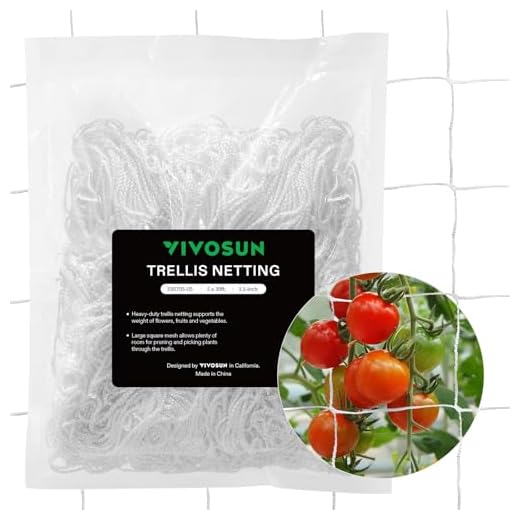
You get a durable, reusable polyester net that works well for vertical training of beans, cucumbers, tomatoes, and peas. Its square mesh and generous length make it versatile for frames, A-frames, and espalier setups.
What it does
This trellis netting is designed to support climbing vegetables and ornamentals with a strong, braided polyester construction. It’s suitable for vertical trellises, horizontal netting over raised beds, or A-frame supports, and it’s reusable season after season.
Features and gardener benefits
You can use it to train peas, cucumbers, grapes, indeterminate tomatoes, or flowering vines. It keeps fruit off the ground, improves air circulation, and makes harvesting less of a hassle.
Installation tips and limitations
This netting is a practical, low-cost way to add structure to your trellis projects and is especially useful if you grow lots of vining crops and want a reusable, durable solution.
35-Plant Indoor Hydroponic Tower Kit
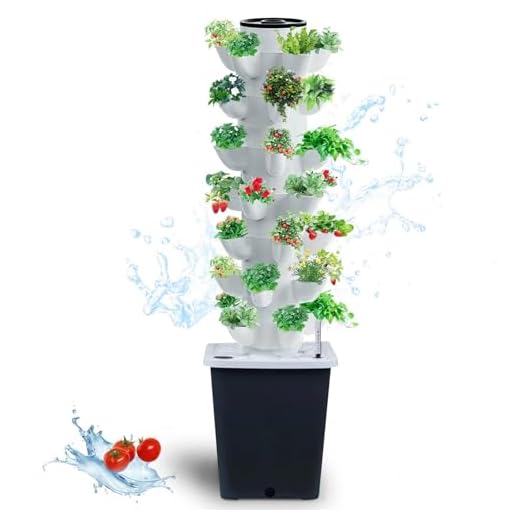
You get a compact, high-capacity hydroponic system that makes the most of vertical space and conserves water. The timed pump and movable water tank simplify maintenance, making it ideal if you want an apartment-friendly vegetable or herb setup.
What it is and who it's for
This vertical hydroponic tower is built to help you grow dozens of herbs and salad greens indoors without soil. It's aimed at people living in apartments, kitchens, or small homes who want to maximize yield in a minimal footprint. The system uses timed top-down watering and a pump to circulate nutrient solution.
Key features and practical benefits
This setup performs best if you start with seedlings or strong cuttings and monitor EC/pH if you want top-tier results. Many users report fast germination and noticeably quicker growth than soil-grown counterparts.
What you’ll like about it
If you want a nearly hands-off indoor garden for herbs and lettuce, this system delivers. Expect vigorous growth and reduced pest issues compared with outdoor soil gardening.
Limitations and practical tips
Tip: Start with smaller, fast-growing crops (lettuce, basil, scallions) to learn the rhythm of the system before moving to heavier feeders. A simple anchor or bracket can ease concerns about stability.
BN-LINK 24-Hour Mechanical Outlet Timer 2-Pack
You get a simple, dependable mechanical timer for automating lights and pumps without needing smart plugs or apps. It's easy to set and ideal for routine on/off cycles in grow closets and hydroponic setups.
What it is
This BN-LINK mechanical outlet timer is a no-frills solution to automate lighting, pumps, and small appliances on a daily schedule. It uses 24-hour pins and a simple dial mechanism so you don’t need to fuss with apps or network setups.
Why gardeners like it
Growers often use these timers to mimic day/night cycles, automate humidity or heat lamps, or create staggered watering cycles in combination with circulation pumps.
Practical tips and limitations
If you want a dependable, budget-friendly way to automate basic grow tasks, this timer is a practical pick that simply works.
Heirloom Vegetable Seeds Survival Planting Kit
You get a huge range of non-GMO heirloom seeds suitable for indoor and outdoor planting, making it a good fit for beginners building a long-term supply. The seed packaging and growing notes are handy for planning seasonality and rotations.
What this kit brings to your garden
This heirloom seed kit packs a wide assortment of vegetable and fruit seeds—tomatoes, cucumbers, carrots, lettuce, and more—into a small, ready-to-store set. It’s positioned as both a gardening starter and a survival/emergency resource, with non-GMO seeds and planting notes included.
Use cases and benefits
If you're building a seed library or want an inexpensive way to try a wide range of crops, this kit is handy. It’s not a replacement for buying larger, single-variety seed packs if you need high-volume production.
Practical tips and limitations
Users appreciate the variety and the guidance included, but scale-minded gardeners should treat this as a catalog to find favorites and then buy larger quantities later.
Final Thoughts
If you want one clear combo to boost harvests fast, grab the 5-Head Full-Spectrum LED Grow Light and the Hydroponic A & B Nutrient Solution Pack.
Use the LED to fix light bottlenecks and the A & B mix to remove feeding guesswork. Together they tackle the two biggest limits on harvest size: light and nutrients.

Been debating between the Mr. Stacky and that JPWDDWYT tower. I like the idea of the stackable tiers (strawberries!!) but the hydroponic tower claims 35 plants and a pump/tank combo which sounds tempting for winter greens.
My concerns:
– Pests and mold in tight vertical systems
– How often do you need to clean the pump/tank?
– Does anyone have real yield comparisons between these two? I grow on a balcony so weight and wind matter too.
Also, if anyone’s tried VIVOSUN netting with the Stacky for beans or peas, does it play nice with the stackable design? Asking for a friend (ok it’s me).
Pests: ladybugs and sticky traps helped me. Also, avoid overfeeding — that cuts down on mold.
Yield comparison: my JPWDDWYT produced more greens per sq ft, but if you’re mostly after flavor and less tech hassle, Stacky berries beat it.
I run the JPWD system indoors. Pump maintenance: rinse the tank and filter monthly and clean pump impeller every 6 weeks. If you skip cleaning, flow reduces and roots get mushy.
Both systems work well but serve different priorities. Mr. Stacky is simple, low-tech, lighter for a balcony and generally easier to manage pest-wise because each tier is accessible. The JPWDDWYT tower is higher-yield and more hands-off, but you should clean and inspect the pump/tank every 2–4 weeks depending on water quality and algae growth.
VIVOSUN netting can be attached to a frame around the Stacky — it’s a good combo for climbers.
I had a Stacky for two summers — strawberries were great. For peas I just made a wooden frame and stapled VIVOSUN to it. Worked perfectly.
I bought the JPWDDWYT tower and liked the idea but the plastic felt thin and the pump stopped after 5 months. Returned it. If you want long-term durability, maybe spend more or go with simpler Stacky setup. Just my experience.
Mr. Stacky + VIVOSUN netting = best combo for balcony strawberries and climbing beans. The flow-through in Mr. Stacky made watering easy and the netting gave my beans vertical support without taking up floor room. If anyone wants step-by-step photos, I can upload them later.
Thanks for the shout — that’s exactly the kind of compact setup many readers are after. If you can share your watering schedule and how you trained the beans, that’d help others replicate your success.
Would love photos! Did you use soil or hydroponic medium in the Stacky?
I used a lightweight potting mix with compost — then fed with the hydroponic nutrient at half strength every 2 weeks. Beans climbed the VIVOSUN just fine.
If I grow as much basil as this article inspires, I might start a one-person pesto empire. 😂 On a serious note — what concentration of the hydroponic nutrient would you recommend for aromatic herbs like basil and mint? I want flavor, not just speedy growth.
For basil/mint, aim for a mild nutrient solution: around 600–800 ppm (EC ~1.0–1.4) for hydroponics once established. Start seedlings at lower ppm (~200–400) and ramp up as they mature to avoid diluting flavor with excessive nitrogen.
Anyone used the Hydroponics Nutrients (A & B) with heirloom seeds from the Seed Vault kit? I’m nervous about strength for seedlings vs mature veggies. Should I do half-strength for the first two weeks? Thanks!
Yes — for seedlings and young transplants, start at 1/4 to 1/2 strength of the recommended concentration, then gradually move up over 2–3 weeks as roots establish. Heirloom seeds respond well to gentler starts.
Thinking about building a small automated Tower Garden: LEDs on BN-LINK timers, hydroponic nutrients A&B on a weekly dosing schedule, seedling kit to start everything, and the Mr. Stacky as overflow for strawberries.
Questions:
1) Best routine for light and pump timing for mixed greens + strawberries?
2) How often should nutrients be refreshed in a 35-plant tower vs a Stacky planter?
3) Any reason not to combine Seed Vault heirloom tomatoes with hydroponic towers indoors?
I like detailed schedules and checklists, so forgive the nerdiness — but practical tips appreciated.
Also: multiline testing — this is a long comment and I want it readable across devices.
Line 2
Line 3
Line 4
Line 5
Great plan. Quick answers:
1) Lights: 14–16 hours for leafy greens; 16–18 hours for tomatoes/fruiting plants when flowering. Pumps: run 15–30 minutes every 1–2 hours for NFT/vertical towers, shorter cycles if the medium retains moisture well.
2) Nutrient refresh: for a 35-plant tower, change reservoir and clean every 2 weeks; top-up with water and nutrients weekly. For Stacky, fresh mix every 10–14 days depending on EC drift.
3) Heirloom tomatoes can work indoors but need pollination and higher light intensity. Choose determinate or dwarf varieties for towers and ensure strong LED coverage.
Checklist tip: monitor EC and pH twice weekly and keep a simple log — it saves headaches.
If you add the VIVOSUN netting for tomatoes, be careful about tying branches — use soft ties to avoid cutting stems.
Agree on tomatoes — I used hand-pollination (soft brush) indoors and had good fruit set.
For pumps: shorter, frequent cycles help oxygenate roots. I set mine to 20min on / 40min off during veg.
The LED with stand caught my eye. For people who’ve used it, does the stand feel stable with taller plants? Also, will the Tower Garden Seedling Starter Kit fit under those lights comfortably or is it better to use them after transplanting?
I had my seedling kit under the lights and used the lowest setting for the first week, then raised intensity. Worked great!
The stand is fairly sturdy for indoor use but anchor it if you have pets or kids. The LED heads are adjustable, so you can angle them to cover the seedling kit. Seedlings do fine under lower dimmer settings until they need more intensity post-transplant.
Seedling starter kit = game changer. I hated dealing with tiny trays and tracking domes before. This one came with rockwool and net pots and actually made germination so much less fussy. Pro tip: open the domes for 10–15 mins each day after sprouting to harden them off. 🌱
That Seed Vault is ridiculous — 15,000+ seeds? Sign me up. But real talk: how many of these actually germinate after a year in the bag? Anyone tested shelf life and germination rates? I don’t want a decade of mystery packs.
Also, for survival/backpack kits: are the seed varieties actually useful year-round or mostly seasonal crops? Curious if I should buy separate specific seeds instead of the mega pack.
I did a germ test last year: around 80–90% for tomato/cucumber, lower for some brassicas. Not bad for the price.
If you intend long-term storage, reseal portions in vacuum bags with silica. That keeps viability up for years.
Also, rotate: use older seeds first and replace often. You’ll thank yourself later haha.
Some of the seed packets were mislabeled in my set — nothing crazy but check pronto.
Big seed packs often mix high-viability seeds with some older or slower-germinating varieties. To be safe, store seeds in a cool, dry place (glass jar in fridge is ideal). Test germination by sprouting a few from each pack before committing lots of space.
For survival kits: they usually include a mix across seasons, but if you want reliable year-round staples, buy targeted varieties (e.g., cold-hardy greens, storage carrots, indeterminate tomatoes) separately.
Really liked the bit about the 5-head LED grow lights — the directional heads sound perfect for my staggered herb shelves. Quick question: do these run hot if you keep them on a 12h cycle? I’m trying to figure out whether I need extra ventilation or if the dimming dial keeps temps reasonable. Also thinking of pairing them with the BN-LINK timers to automate everything.
Good question — the LEDs on that model are pretty efficient, so they don’t get as hot as older HID lamps. You’ll still want some airflow if you’re stacking multiple units in a small space. Using the dimming dial to lower intensity during warmer parts of the day helps a lot.
BN-LINK timers work fine for lights, but if you’re adding circulating pumps I’d suggest staggering pump cycles so everything doesn’t switch at once (less electrical load).
I use two of those LEDs on a 12/12 cycle in a closet setup. Temps rise ~3–4°F above ambient but a small clip fan takes care of it. The dimmer is clutch for seedlings 😊
Shoutout to the BN-LINK mechanical timers — simple, reliable, and no fussing with apps. For anyone new: they’re great for scheduling the grow lights and even an external air pump.
Question: anyone left a BN-LINK outside, under a covered porch? I’m in a humid climate and worried about corrosion of the pins.
Mechanical timers are built for indoor/outdoor protected spots but not for direct exposure. If it’s under a covered porch with limited moisture contact it should be fine, but consider a small weatherproof enclosure to be safe.
I used one in a covered shed for two seasons — no issues. Just avoid direct rain/sprays and they last.
Humidity will eventually corrode contacts; I spray a little dielectric grease on the prongs and it’s helped.
If you can, buy a sealed outdoor-rated timer — but BN-LINK works well if sheltered.